
Understanding SLS 3D Printing: Process, Materials, and Applications
Understanding SLS 3D Printing
Selective Laser Sintering (SLS) is a powerful 3D printing technology that has gained significant attention in various industries. This process uses a laser to sinter powdered material, binding it together to create a solid structure. Known for its high precision and ability to produce complex geometries, SLS is transforming the way products are designed and manufactured.
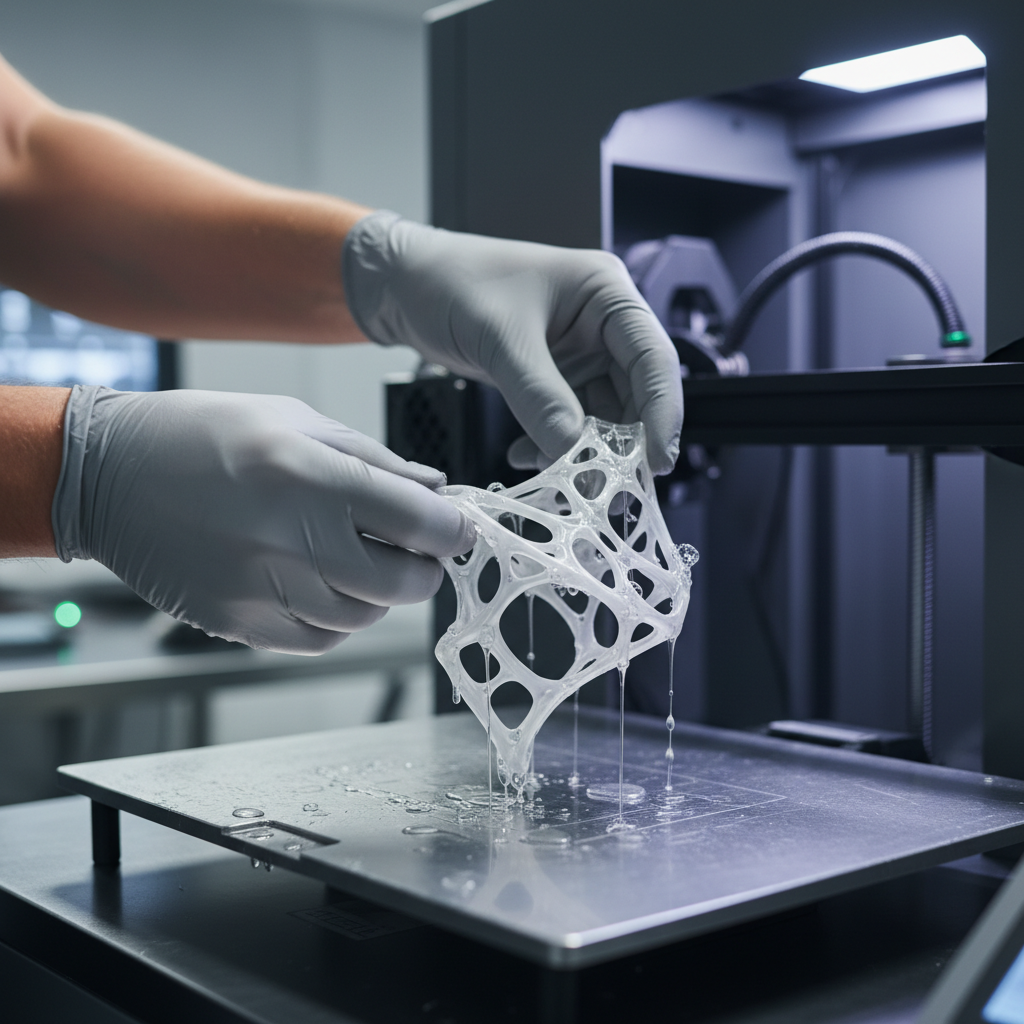
The SLS Process: A Step-by-Step Guide
The SLS process begins with a digital 3D model, which is sliced into thin layers using specialized software. These layers guide the 3D printer as it meticulously builds the object. Here's how it works:
- A thin layer of powder is spread across the build platform.
- A laser selectively fuses the powder by tracing the object's cross-section.
- The platform lowers, and a new layer of powder is added.
- The process repeats until the object is fully formed.
Once the printing is complete, the object is left to cool before being removed and cleaned of excess powder. This leftover powder can often be recycled for future prints, making SLS an efficient and sustainable choice.
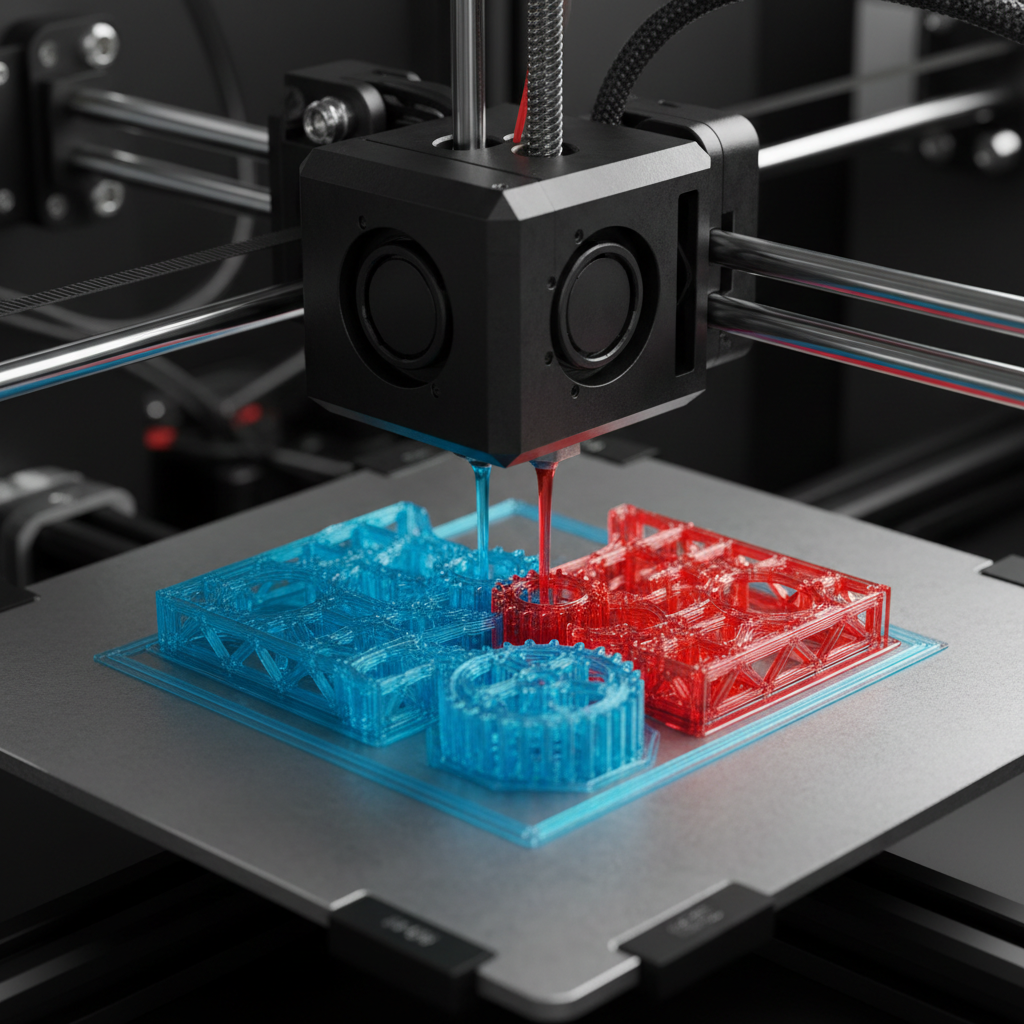
Materials Used in SLS 3D Printing
SLS 3D printing is compatible with a wide range of materials, each offering unique properties. The most commonly used materials include:
- Nylon: Known for its strength, flexibility, and durability, nylon is ideal for functional prototypes and end-use parts.
- Polycarbonate: Offers high impact resistance and is perfect for engineering applications.
- Alumide: A blend of nylon and aluminum powder, providing a metallic appearance and increased stiffness.
These materials make SLS printing suitable for a variety of applications, from automotive to aerospace, where specific material properties are essential.
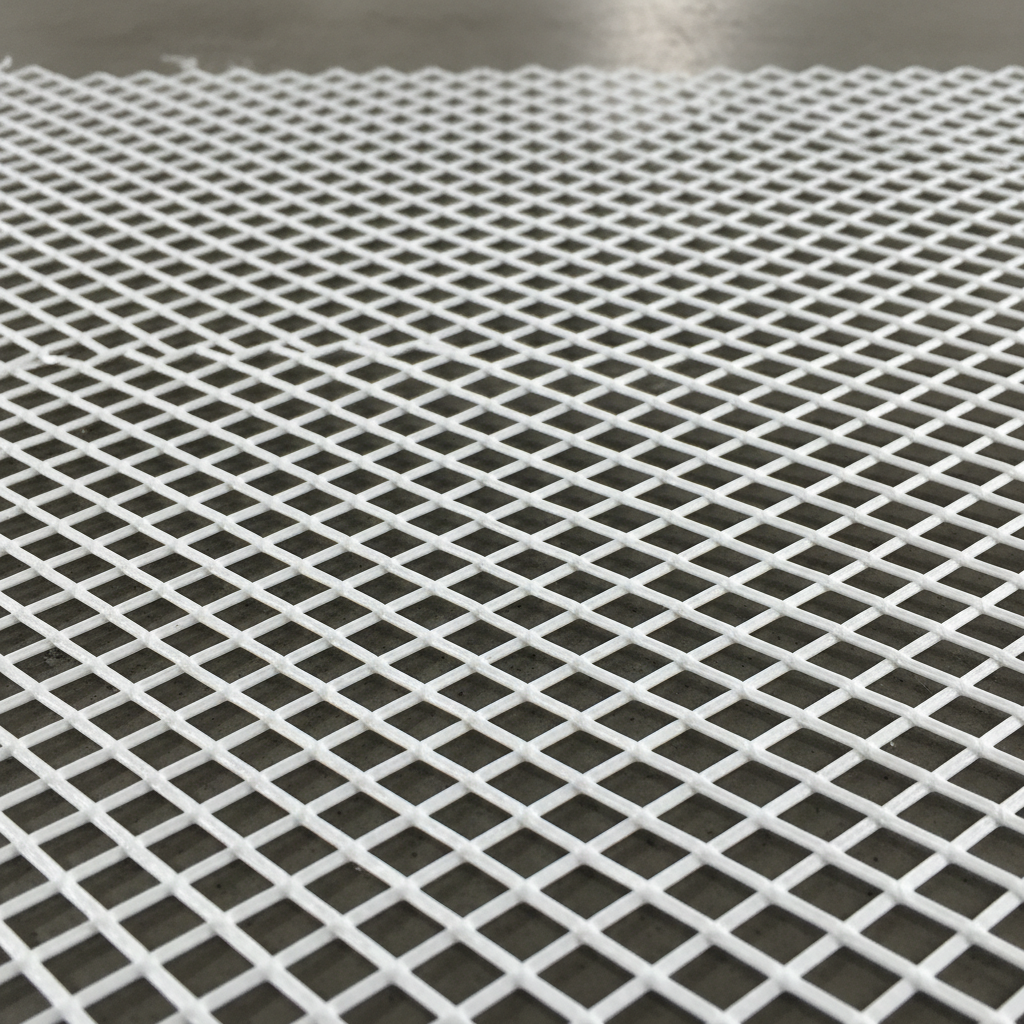
Applications of SLS 3D Printing
SLS 3D printing is revolutionizing multiple industries, thanks to its versatility and efficiency. Some notable applications include:
- Prototyping: Rapid prototyping allows businesses to iterate designs quickly, reducing time to market.
- Medical Devices: Custom prosthetics and implants are created with high precision to meet patient-specific needs.
- Aerospace Parts: Lightweight and durable components are produced, optimizing performance and fuel efficiency.
These applications highlight the transformative impact of SLS technology, enabling innovation and efficiency in product development.
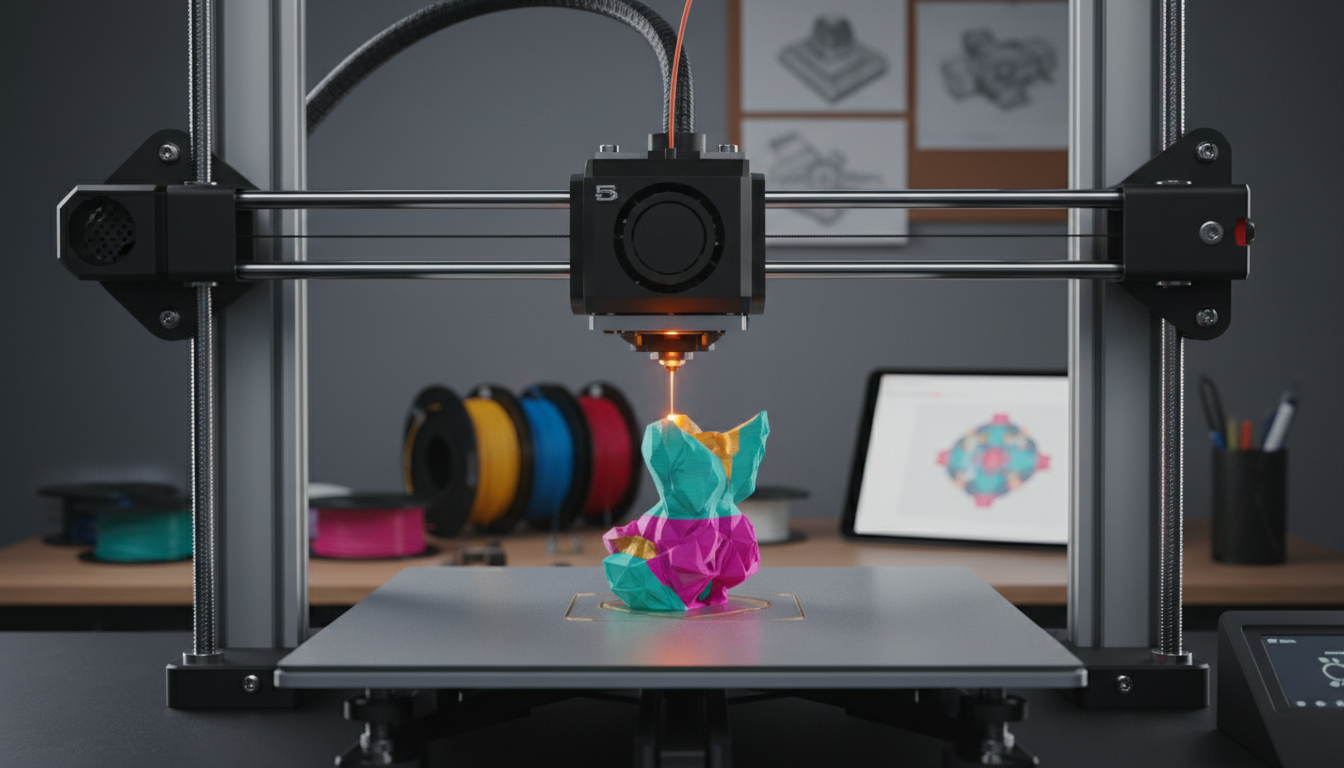
The Future of SLS 3D Printing
As the technology continues to evolve, SLS 3D printing is expected to become even more accessible and advanced. Future developments may include improved materials, faster printing speeds, and increased automation, further expanding its industrial applications.
With ongoing research and innovation, SLS 3D printing is poised to play a crucial role in the future of manufacturing, offering limitless possibilities for design and production.