
Top 5 Tips for Maximizing Efficiency in Short-Run Manufacturing with SLS 3D Printing
Understanding SLS 3D Printing
Selective Laser Sintering (SLS) 3D printing has revolutionized the manufacturing landscape, offering unique advantages in short-run production. By using a laser to fuse powdered material into solid structures, SLS provides unparalleled design freedom and material efficiency.
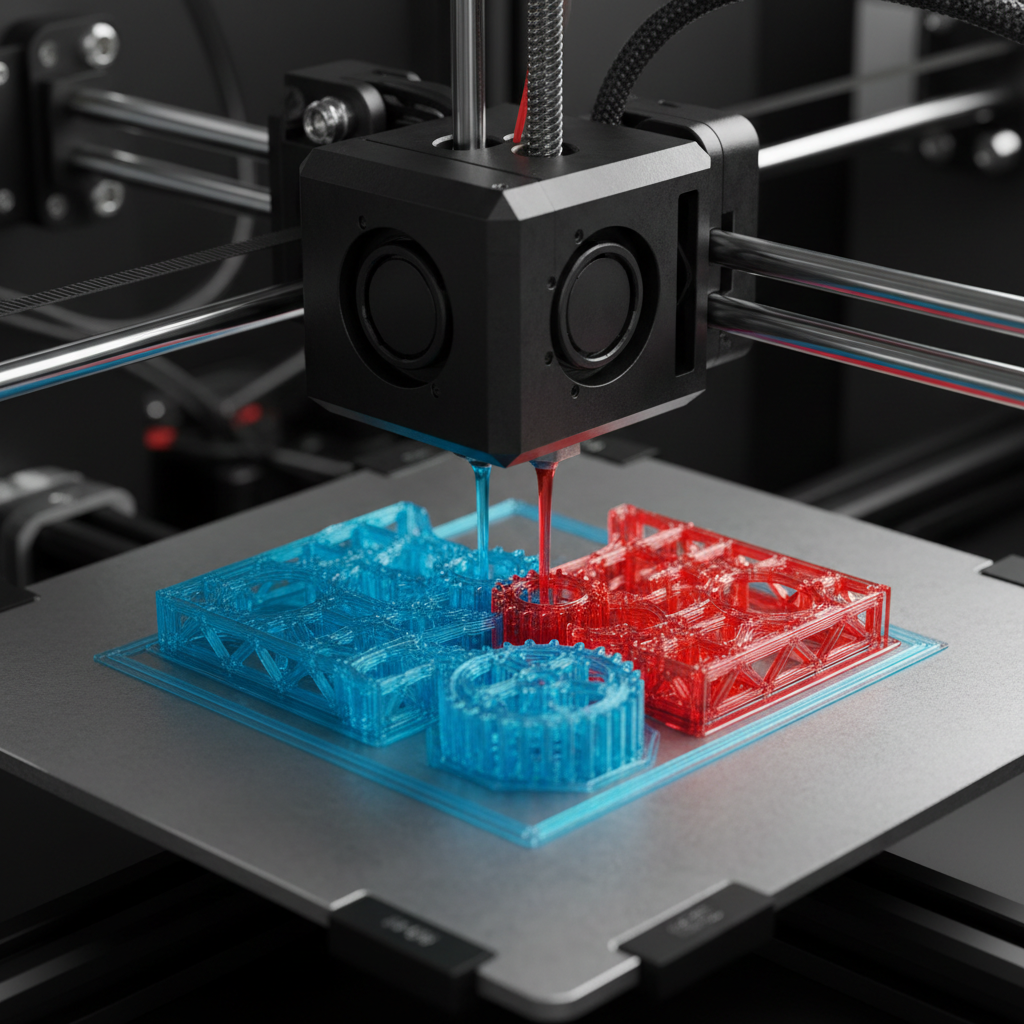
Understanding how to maximize efficiency in this process is crucial for businesses looking to leverage its full potential. Here are the top five tips to enhance your manufacturing with SLS 3D printing.
Optimize Your Design for SLS
A critical aspect of maximizing efficiency is ensuring that your design is optimized for the SLS process. Consider the following:
- Material Usage: Design with minimal support structures to reduce waste.
- Part Orientation: Proper orientation can minimize the need for post-processing.
- Feature Size: Ensure all features adhere to the printer's resolution capabilities.

Utilize Batch Production
Batch production in SLS can significantly enhance efficiency. By printing multiple parts simultaneously, you can reduce time and costs. Carefully plan the layout to maximize the build volume, ensuring even distribution to prevent warping or distortion.
Select the Right Material
The choice of material greatly impacts the efficiency and quality of the final product. Consider materials that match your application requirements while offering ease of processing and post-processing. Common options include nylon, glass-filled nylon, and TPU.
Testing different materials can provide insights into how they perform under SLS conditions, helping you choose the best option for your needs.

Invest in Post-Processing Techniques
Post-processing can refine your 3D printed parts, enhancing both aesthetics and functionality. Techniques such as tumbling, dyeing, and coating can improve surface finish and durability. Streamlining these processes can save time and reduce costs.
Implement Quality Control Measures
Quality control is essential in maintaining efficiency. Regularly inspect printed parts for defects and inconsistencies. Implementing a robust quality assurance system can help identify issues early, minimizing waste and rework.
Utilize software tools for real-time monitoring and data analysis to ensure consistent production quality.

Leverage Software Tools
Advanced software tools can optimize the entire 3D printing workflow. From design to production, leveraging software for simulation, monitoring, and analysis can enhance efficiency and reduce errors. Look for tools that integrate seamlessly with your existing systems.
By following these tips, businesses can maximize the efficiency of their short-run manufacturing processes using SLS 3D printing. This not only improves output but also provides a competitive advantage in the fast-paced manufacturing industry.