
Top 5 Mistakes Engineers Make with 3D Printing and How to Avoid Them
Understanding the Common Pitfalls in 3D Printing
3D printing is revolutionizing the way engineers approach design and manufacturing. However, even seasoned professionals can make mistakes that compromise the quality of their prints. By understanding these pitfalls, you can enhance the efficiency and success of your 3D printing projects.
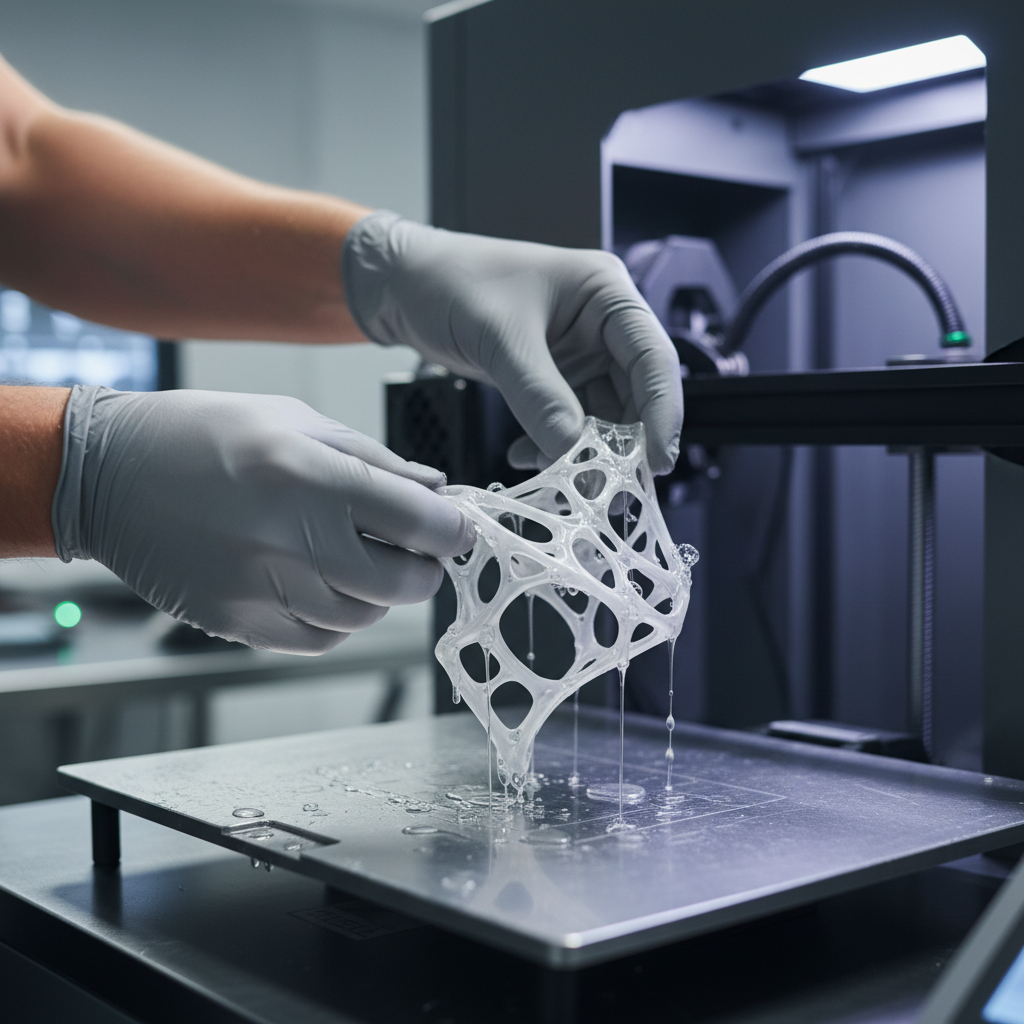
1. Ignoring Material Specifications
One of the most common mistakes is overlooking the material specifications. Every material has unique properties and requirements that affect the printing process. Failing to adhere to these can lead to poor adhesion, warping, or even a failed print.
How to Avoid: Always consult the material datasheet before starting a project. Ensure that the printer settings align with the material's temperature and speed specifications. This simple step can drastically improve print quality.
2. Inadequate Design for 3D Printing
Not all designs are suitable for 3D printing. Engineers often make the mistake of using designs that are too complex or lack the necessary supports, leading to structural weaknesses or incomplete prints.
How to Avoid: Utilize design-for-manufacturing principles. Simplify geometries where possible and incorporate necessary supports. Software tools can assist in evaluating and optimizing your designs for 3D printing.
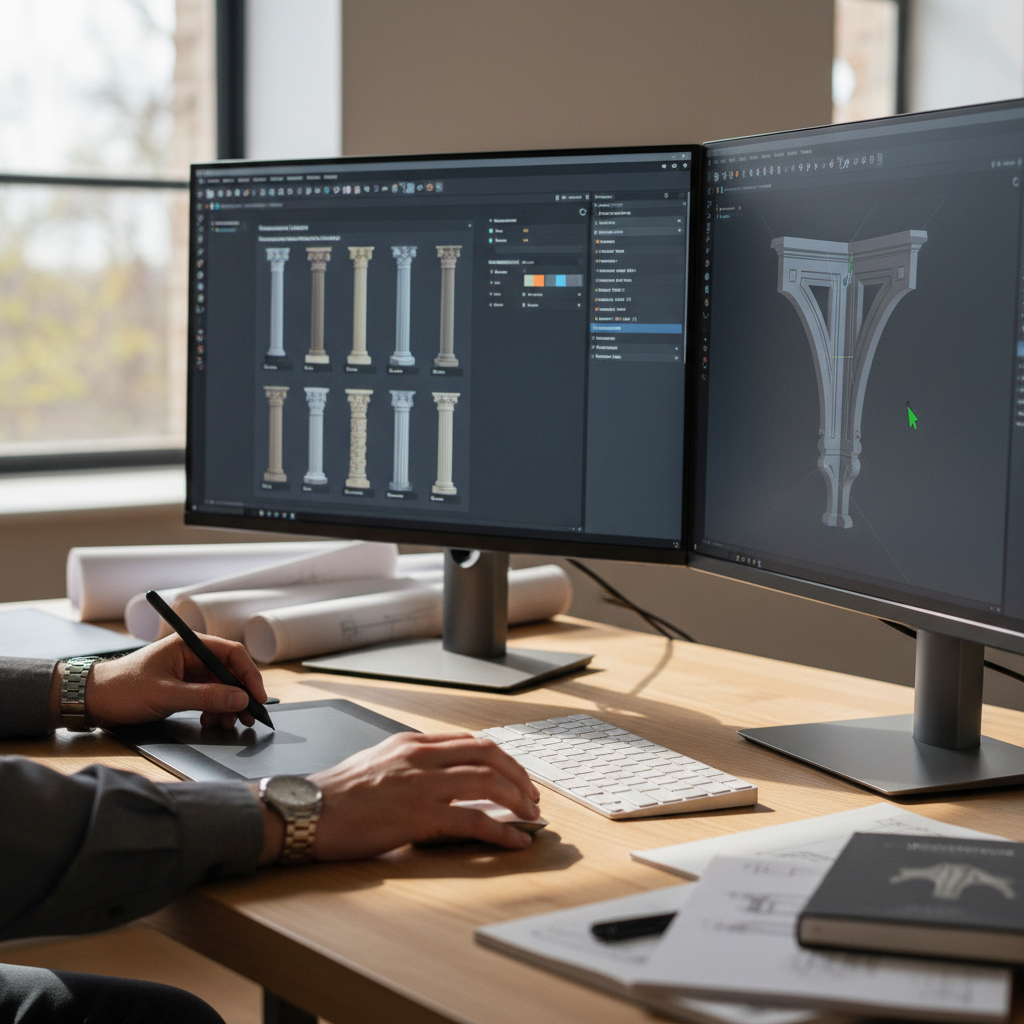
3. Overlooking Printer Calibration
Printer calibration is crucial for achieving high-quality prints. Neglecting this step can result in dimensional inaccuracies and surface imperfections. Calibration should cover aspects like bed leveling, nozzle alignment, and extrusion flow.
How to Avoid: Regularly calibrate your printer. Follow the manufacturer's guidelines for calibration procedures. Additionally, perform test prints to identify and correct any discrepancies before starting a major project.
Managing the Printing Process
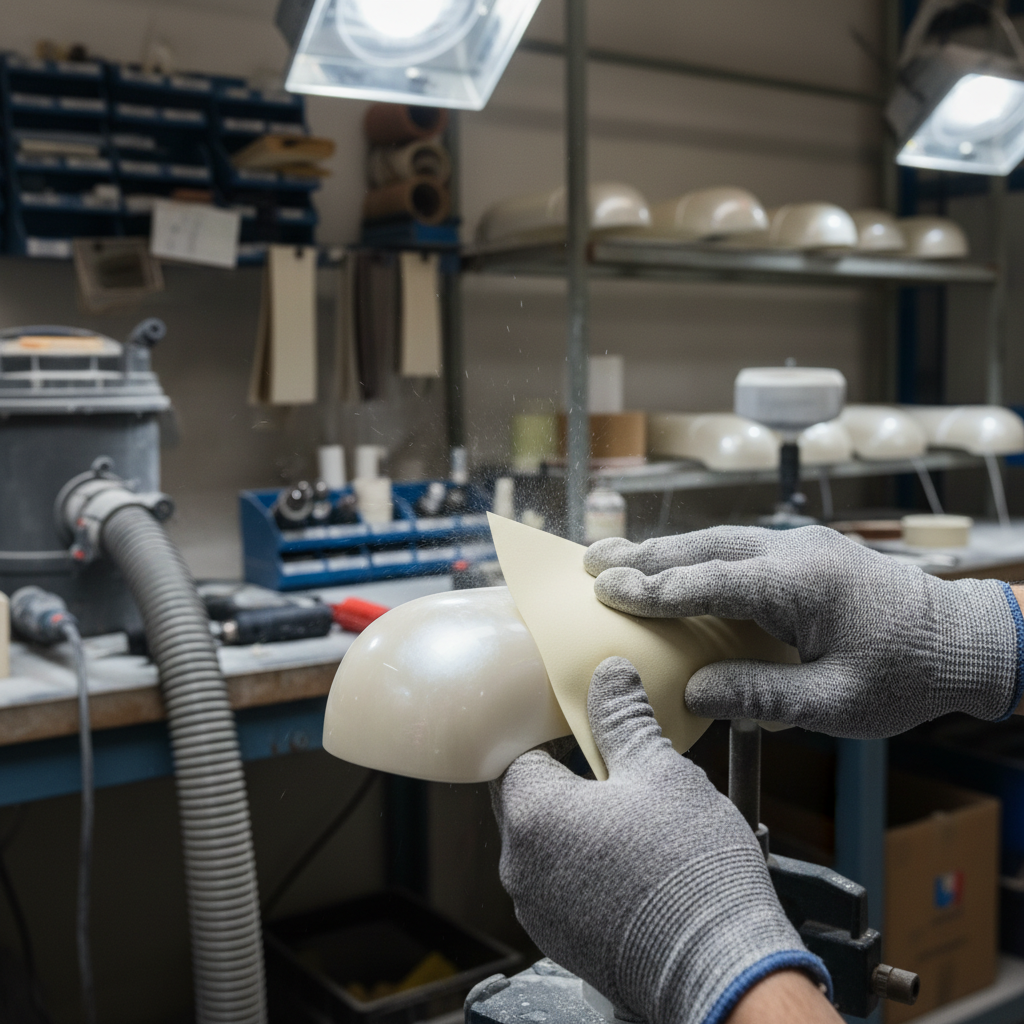
4. Skipping Post-Processing
Post-processing is often seen as an optional step, but it is vital for achieving the desired finish. Ignoring it can leave your prints with visible layers, rough edges, and other imperfections.
How to Avoid: Incorporate post-processing steps such as sanding, polishing, or chemical treatments to enhance the appearance and strength of your prints. Tailor the approach based on the material and intended use.
5. Neglecting to Monitor Print Progress
Even with the best settings, prints can go awry if not monitored. Issues like filament jams or shifting layers can occur unexpectedly, wasting time and resources.
How to Avoid: Keep an eye on the print progress, especially in the initial layers. Some printers offer remote monitoring capabilities, allowing you to supervise the process from anywhere. This vigilance can help in catching and rectifying problems early.
Conclusion
3D printing offers incredible possibilities, but only when approached with precision and care. By avoiding these common mistakes, engineers can ensure their 3D prints are both functional and high-quality. Regularly updating your knowledge and staying informed about the latest advancements in 3D printing technology can further enhance your success.