
The Strength of SLS PA12: A Deep Dive into Functional Parts
Understanding the Basics of SLS PA12
Selective Laser Sintering (SLS) is a popular 3D printing technology that utilizes a high-powered laser to sinter powdered material into solid structures. Among the various materials used in this process, **PA12 (Polyamide 12)** stands out due to its exceptional properties. This thermoplastic polymer is favored for its strength, durability, and versatility in creating functional parts.
PA12's unique attributes make it particularly suitable for demanding applications across industries such as automotive, aerospace, and consumer goods. Its ability to withstand stress and maintain performance under varying conditions makes it a top choice for engineers and designers.
Key Benefits of SLS PA12
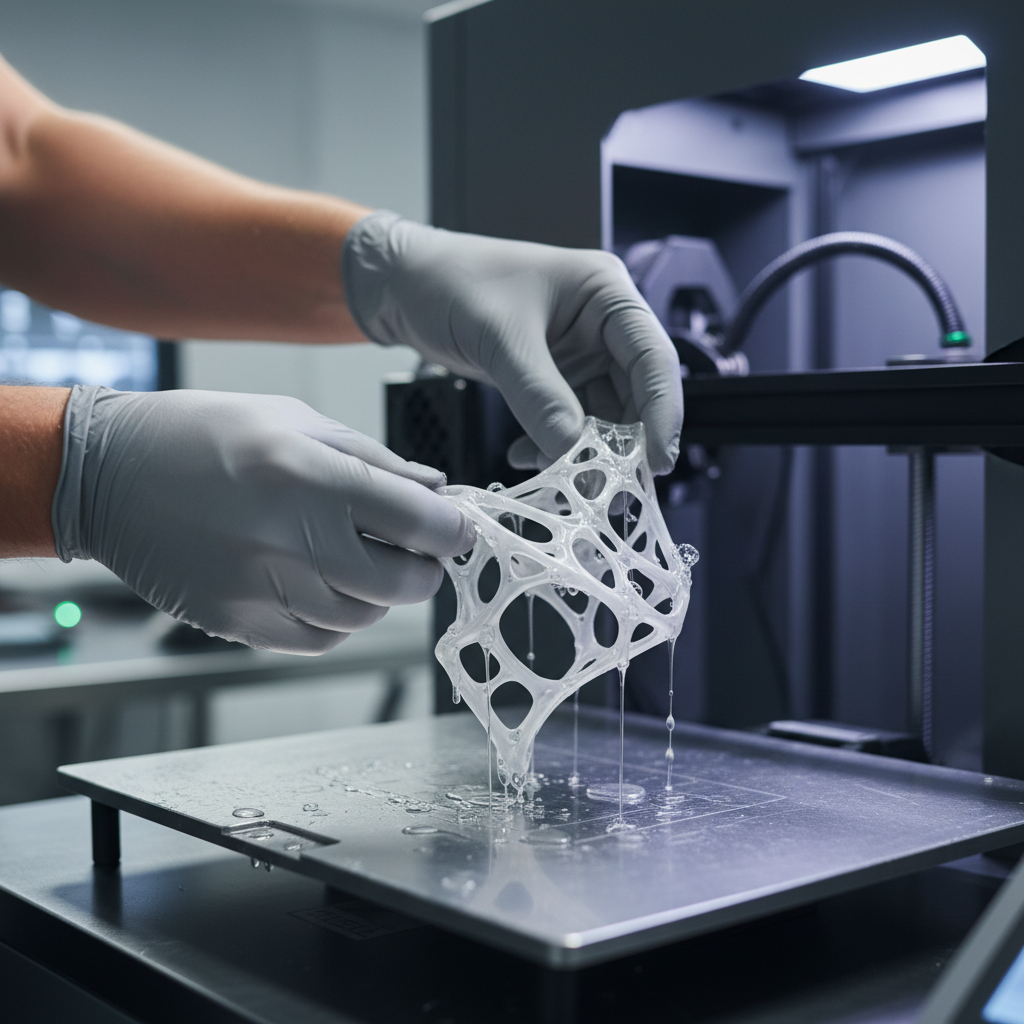
One of the primary benefits of using SLS PA12 is its impressive mechanical strength. This material can produce parts that boast high tensile strength, allowing them to endure significant load and pressure. This makes it ideal for creating components that require resilience and durability.
Additionally, PA12 offers excellent resistance to chemicals and UV radiation, which extends the lifespan of parts exposed to harsh environments. This resistance ensures that components maintain their structural integrity and functionality over time, even in challenging conditions.
Applications Across Industries
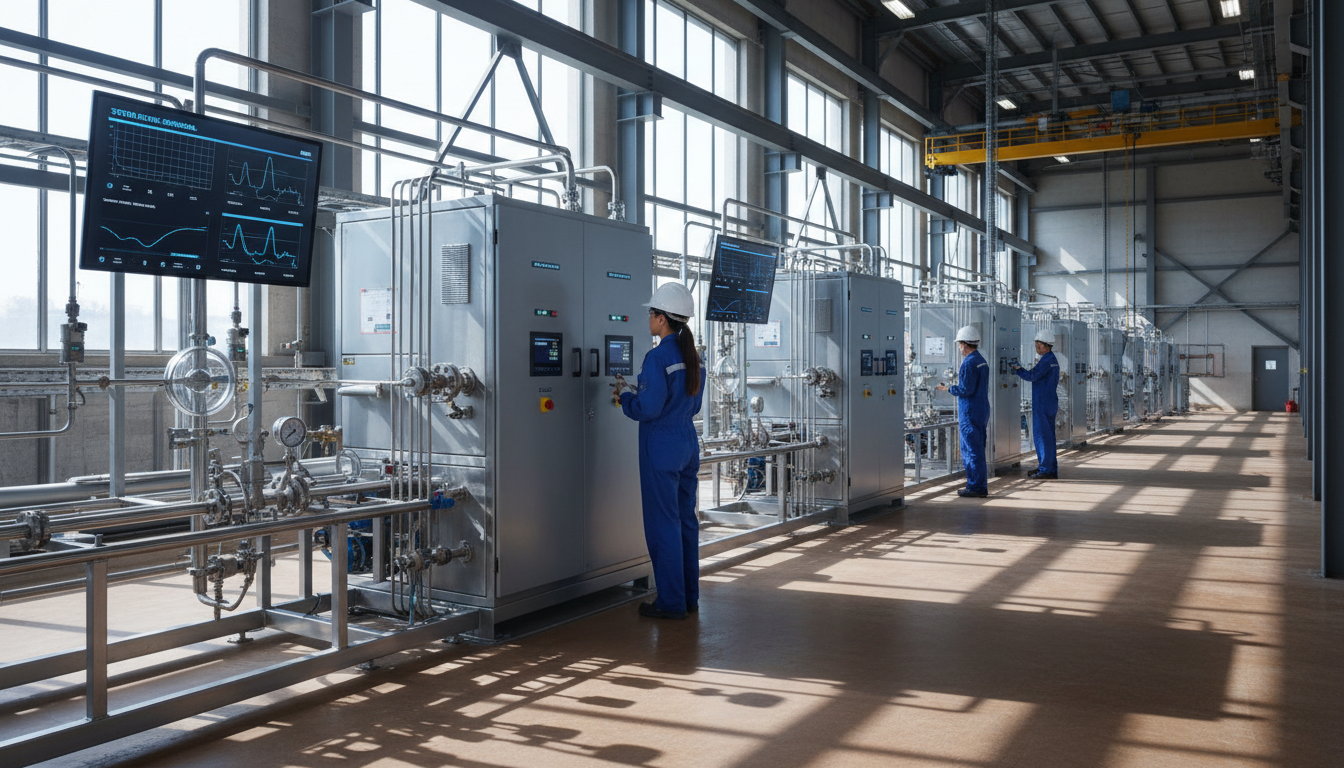
The versatile nature of SLS PA12 has led to its widespread adoption in various industries. In the automotive sector, it is used for producing parts like brackets, housings, and connectors, which require both strength and precision.
In the aerospace industry, where weight reduction is crucial, PA12's lightweight yet strong characteristics make it an excellent choice for components such as ducting systems and interior fixtures. Its ability to withstand high temperatures further enhances its appeal for aerospace applications.
The Technical Aspects of PA12
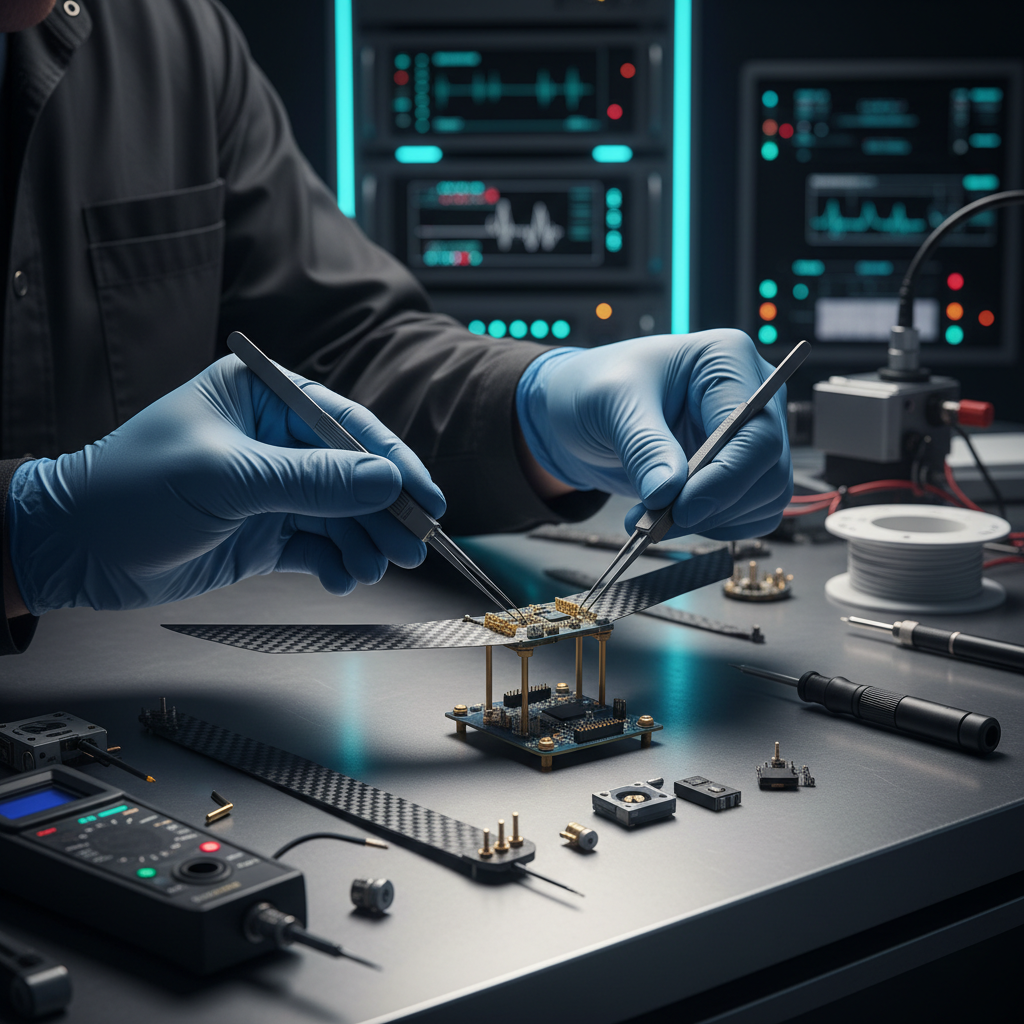
PA12's technical properties contribute significantly to its popularity. It has a low water absorption rate, which means that parts remain dimensionally stable even in humid conditions. This stability is essential for maintaining the functionality and reliability of components.
Moreover, PA12’s flexibility and impact resistance allow for the production of parts that can endure mechanical stress without breaking or deforming. This is particularly beneficial for creating functional prototypes and end-use parts.
Design Flexibility and Customization
The SLS process, combined with PA12, offers unparalleled design flexibility. Designers can create complex geometries that would be challenging or impossible to achieve with traditional manufacturing methods. This capability opens up a world of possibilities for innovation and customization.
Furthermore, the ability to produce small batches without extensive tooling costs makes it ideal for rapid prototyping and low-volume production. This efficiency accelerates the product development cycle, allowing businesses to bring new products to market faster.

Conclusion: The Future of SLS PA12
The strength and versatility of SLS PA12 make it an indispensable material in the realm of additive manufacturing. As industries continue to push the boundaries of innovation, the demand for high-performance materials like PA12 will only grow.
By understanding its properties and applications, businesses can leverage SLS PA12 to create functional parts that meet their specific needs, ensuring both quality and performance. As technology advances, we can expect even more groundbreaking applications of this remarkable material.