
The Future of 3D Printing: Trends and Innovations Engineers Should Know
Introduction to 3D Printing
The world of 3D printing is evolving rapidly, and engineers are at the forefront of these advancements. This technology, once considered a futuristic dream, is now a reality that continues to transform industries. From manufacturing to healthcare, 3D printing is paving the way for innovative solutions and applications.
Emerging Trends
Bioprinting Breakthroughs
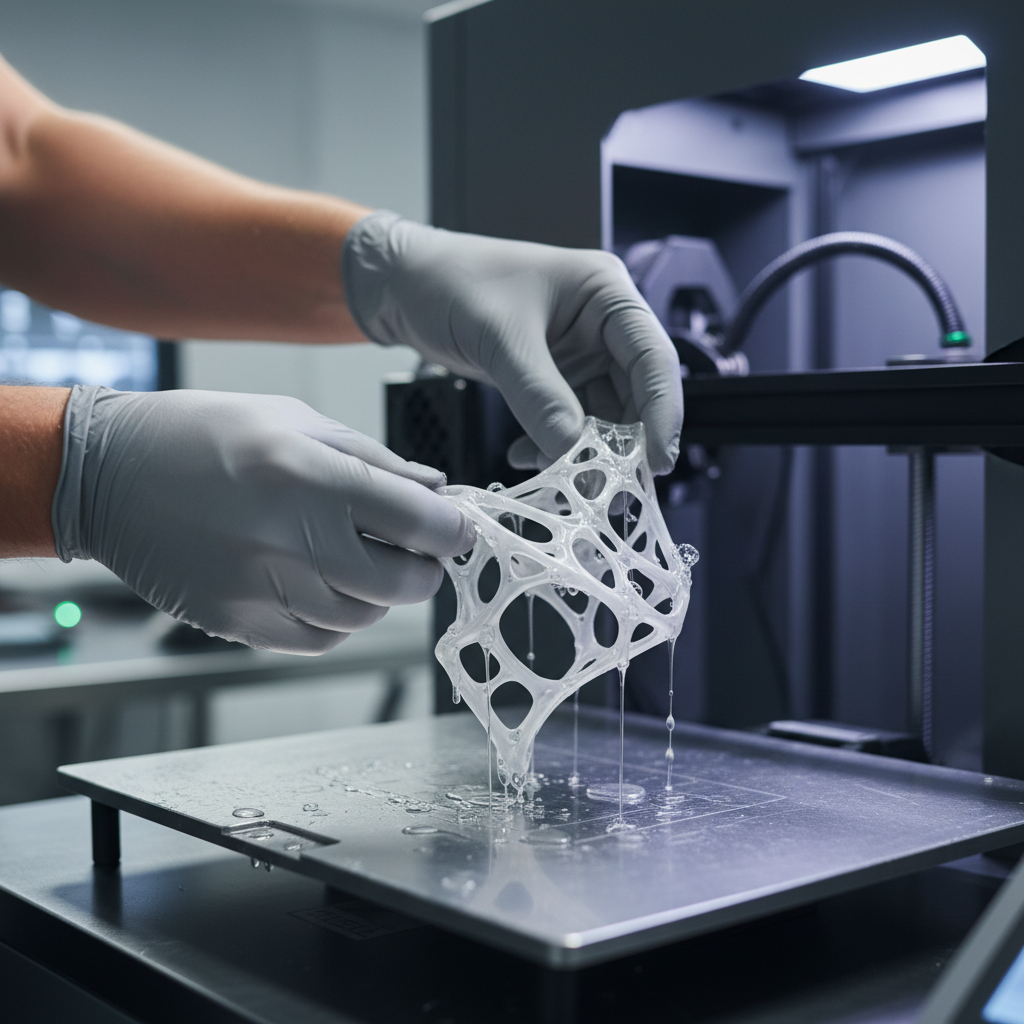
One of the most exciting trends in 3D printing is bioprinting. This involves creating living tissues and organs using 3D printers. Engineers are working alongside medical professionals to develop bioprinted tissues that could revolutionize transplant medicine.
Sustainability and Green Printing
Sustainability is becoming a major focus in 3D printing. Engineers are exploring eco-friendly materials and energy-efficient processes. This trend is driven by the need to reduce waste and minimize the environmental impact of manufacturing.

Innovations in Materials
The development of new materials is crucial for the advancement of 3D printing. Engineers are experimenting with metals, ceramics, and composites to enhance the strength and durability of printed objects. These innovations are opening doors to new applications in aerospace, automotive, and beyond.
- Metals: Used for high-strength parts in aerospace and automotive industries.
- Ceramics: Ideal for heat-resistant components.
- Composites: Combining materials to achieve desired properties.
The Role of AI and Machine Learning
Artificial intelligence and machine learning are playing an increasingly important role in 3D printing. These technologies are being used to optimize design processes, improve precision, and enhance quality control. AI-driven 3D printing systems can analyze large amounts of data to predict and prevent potential issues.

Impact on Industries
Healthcare Advancements
In healthcare, 3D printing is being used to create customized implants, prosthetics, and even surgical tools. This level of personalization improves patient outcomes and enhances the efficiency of medical procedures.
Automotive and Aerospace Applications
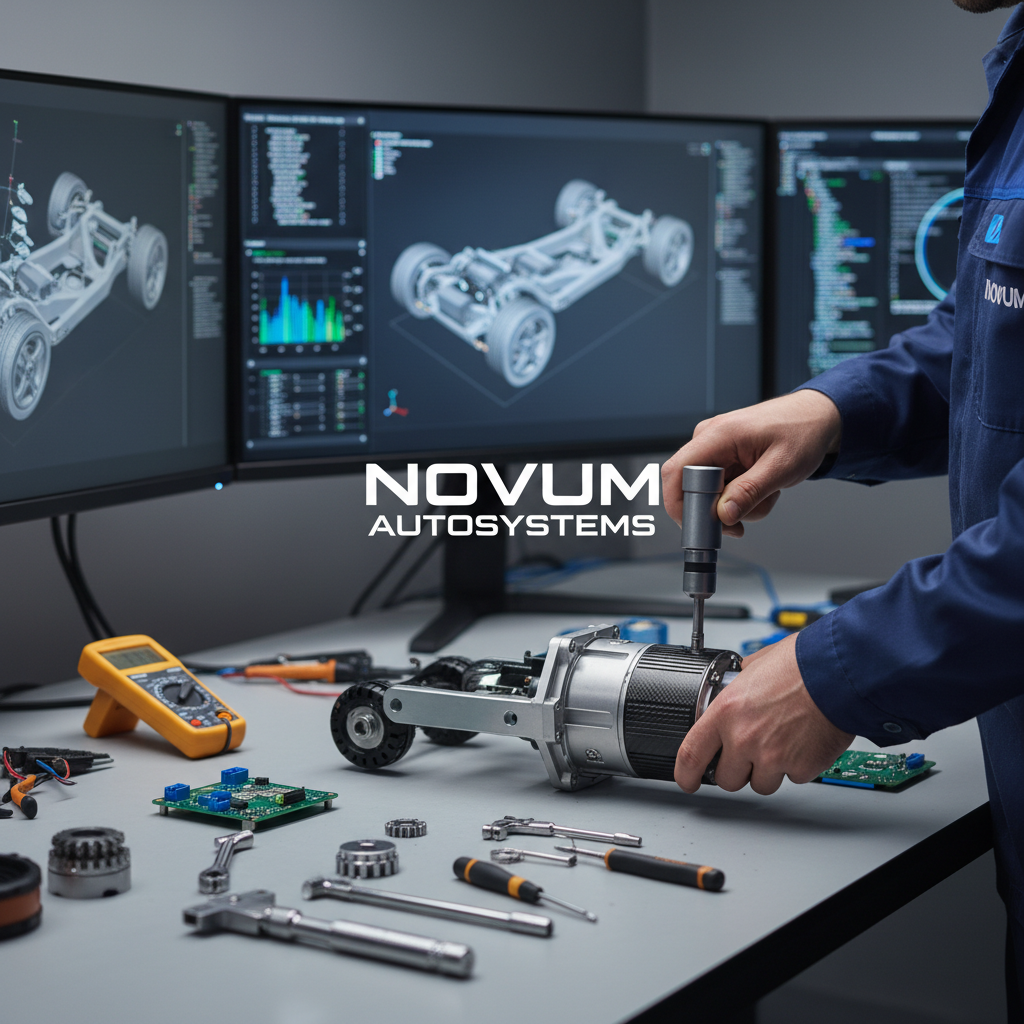
The automotive and aerospace industries are leveraging 3D printing for rapid prototyping and the production of lightweight components. This not only speeds up the design process but also reduces costs and improves fuel efficiency.
Conclusion
The future of 3D printing is bright and full of potential. As engineers continue to push the boundaries of what's possible, we can expect to see even more groundbreaking trends and innovations. Staying informed about these developments is crucial for those in engineering fields, as 3D printing will undoubtedly play a significant role in shaping the future of technology and industry.