
Seasonal Prep: How 3D Printing Can Streamline Your Winter Product Development
Introduction to 3D Printing for Winter Product Development
As the colder months approach, businesses in various industries face the annual challenge of preparing their product lines for winter. From fashion to automotive, the demand for seasonally appropriate goods increases. One of the most efficient ways to streamline the development of new winter products is through the use of 3D printing.
3D printing, or additive manufacturing, allows companies to quickly prototype and test products, reducing both time and cost. This technology has become a game-changer in product development, offering unprecedented flexibility and precision.

The Benefits of Rapid Prototyping
One of the primary benefits of 3D printing is rapid prototyping. This process enables designers and engineers to create physical models from digital designs in a matter of hours. By using 3D printing, companies can:
- Quickly test and refine designs
- Identify potential issues before mass production
- Reduce overall development time
This speed is particularly advantageous when adapting to the seasonal market demands of winter, allowing for swift iterations and improvements.
Customization and Innovation
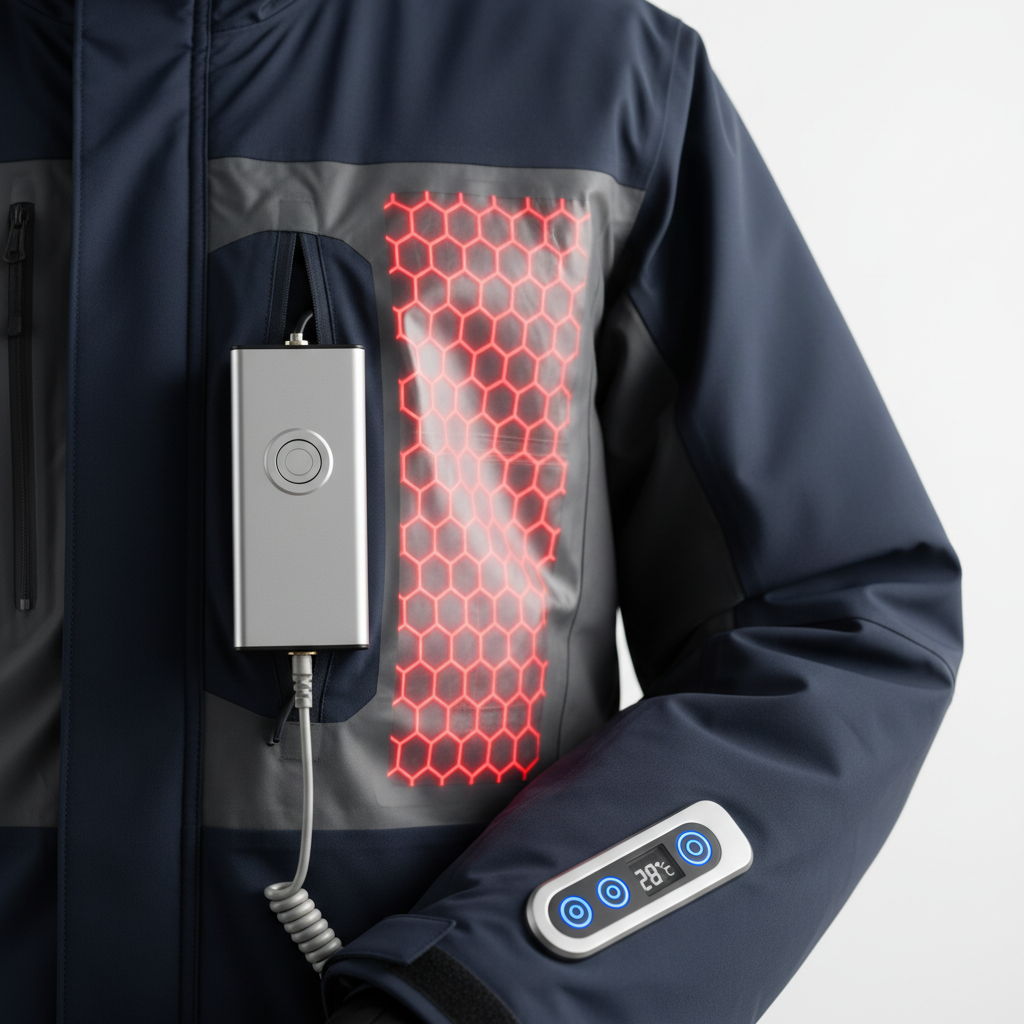
Winter products often require specific customizations to meet unique consumer needs, such as thermal insulation or moisture resistance. 3D printing offers a high degree of customization, allowing businesses to innovate and tailor products to exact specifications.
By leveraging 3D printing, companies can experiment with new materials and designs without the risk of significant financial loss. This fosters an environment of innovation and creativity, setting businesses apart in competitive markets.
Cost-Effectiveness and Sustainability
The cost-effectiveness of 3D printing is another significant advantage. Traditional manufacturing methods often involve high tooling costs and wastage. In contrast, 3D printing reduces material waste by using only the necessary amount of material for each product.
Additionally, 3D printing supports sustainability efforts by minimizing the environmental impact of production processes. This is increasingly important as consumers become more environmentally conscious and seek sustainable product options.
Real-World Applications in Winter Product Development
Many industries have already begun to harness the power of 3D printing for winter product development. In the fashion industry, designers use 3D printing to create customized winter apparel and accessories. Automotive companies are designing parts that enhance vehicle performance in cold weather conditions.
Moreover, outdoor equipment manufacturers are utilizing 3D printing to develop innovative products such as snowshoes and ski equipment, enhancing durability and performance.
Conclusion
3D printing is revolutionizing the way companies approach winter product development. Its ability to provide rapid prototyping, customization, cost-effectiveness, and sustainability makes it an invaluable tool for businesses looking to stay competitive during the winter season.
As technology continues to advance, the potential for 3D printing in product development will only grow, offering even more opportunities for innovation and efficiency.