
Preparing for Seasonal Manufacturing: How 3D Printing Can Help
Understanding Seasonal Manufacturing Challenges
Seasonal manufacturing presents unique challenges for businesses. As demand fluctuates, companies must adjust production schedules, manage inventory, and ensure timely delivery. These demands can strain resources and impact profitability. With the right strategies, these challenges can be mitigated effectively.
Manufacturers often struggle with forecasting demand accurately. This can lead to overproduction or underproduction, both of which have significant cost implications. Implementing agile production techniques is crucial for businesses aiming to stay competitive in seasonal markets.

The Role of 3D Printing in Manufacturing
3D printing, also known as additive manufacturing, has revolutionized the way companies approach production. This technology allows for rapid prototyping and customization, making it highly beneficial for seasonal manufacturing. By using 3D printing, businesses can quickly adapt to changing demands and produce limited-run items efficiently.
One of the key advantages of 3D printing is its ability to reduce waste. Traditional manufacturing often involves material wastage, which can be costly. In contrast, 3D printing builds products layer by layer, minimizing material use and reducing waste.
Benefits of 3D Printing in Seasonal Production
Integrating 3D printing into seasonal manufacturing offers several benefits. Here are some of the most significant advantages:
- Flexibility: Quickly adapt to market changes with minimal downtime.
- Customization: Easily create customized products to meet specific customer demands.
- Cost Efficiency: Reduce costs associated with traditional manufacturing processes.
Streamlining Production with 3D Printing
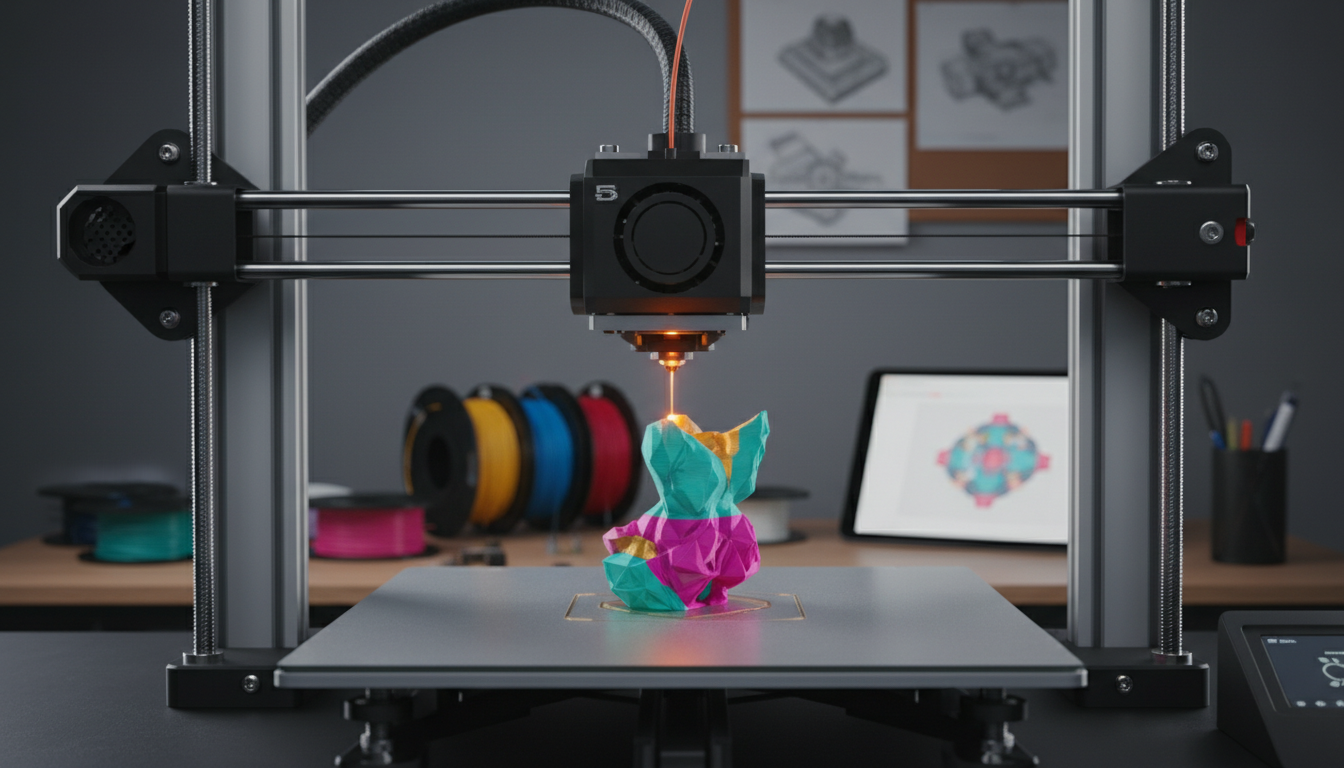
To fully leverage 3D printing, businesses should focus on integrating this technology into their existing manufacturing processes. This involves training staff, investing in suitable equipment, and developing a strategy for its use. By doing so, companies can ensure a seamless transition and maximize the benefits offered by 3D printing.
Another important consideration is the selection of materials. 3D printing supports a wide range of materials, from plastics to metals, allowing manufacturers to choose the best option for their needs. This versatility can lead to improved product quality and enhanced customer satisfaction.
Implementation Strategies for Success
Successful implementation of 3D printing requires careful planning and execution. Here are some strategies to consider:
- Identify Key Products: Focus on items that benefit most from 3D printing.
- Invest in Training: Ensure your team is proficient in 3D printing technology.
- Monitor Market Trends: Stay informed about industry developments to remain competitive.
Conclusion
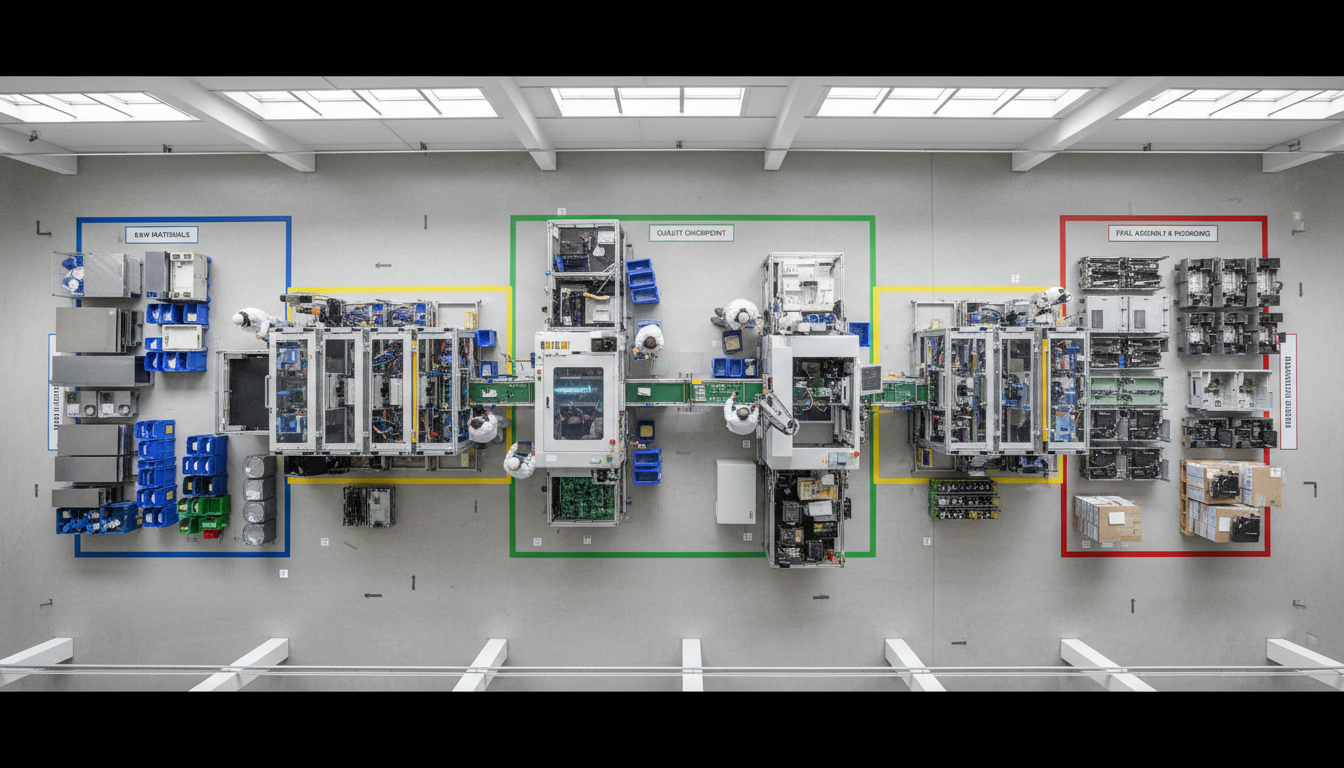
As seasonal manufacturing continues to evolve, integrating 3D printing technology can provide businesses with the flexibility and efficiency needed to thrive. By understanding and implementing this technology, companies can improve their production processes, reduce costs, and meet customer demands more effectively.
Embracing 3D printing is not just about adopting a new technology; it's about transforming the way businesses approach manufacturing. By making this shift, companies can position themselves for long-term success in an ever-changing market.