
Myth-Busting: Is 3D Printing a Viable Alternative to Traditional Manufacturing?
Understanding 3D Printing
3D printing, also known as additive manufacturing, has rapidly evolved over the past decade. While it was once considered a futuristic novelty, today it offers a range of applications from prototyping to full-scale production. But can it truly replace traditional manufacturing methods? Let's explore the facts and debunk some myths.
The Advantages of 3D Printing
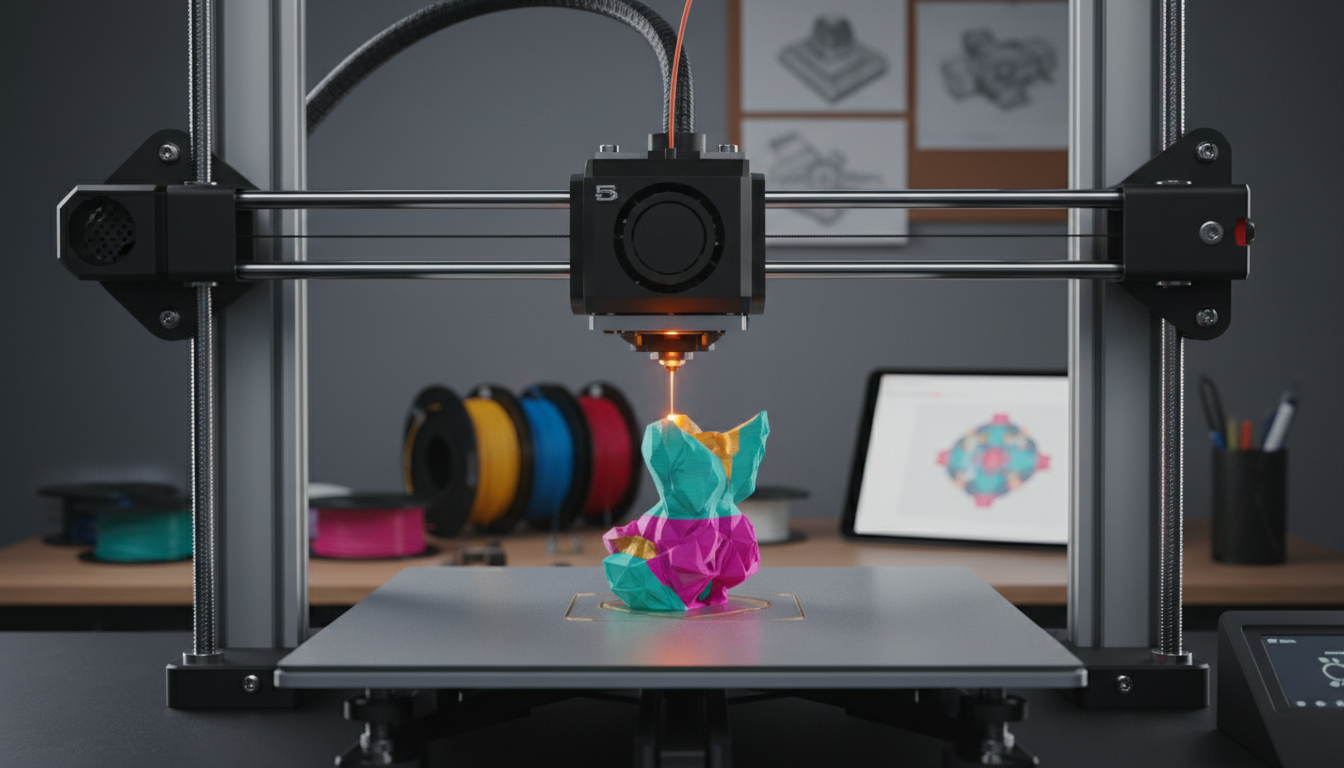
One of the most significant benefits of 3D printing is its ability to produce complex designs that would be impossible or highly expensive with traditional methods. This flexibility opens up new possibilities for innovation and customization. Additionally, 3D printing can reduce waste by using only the material necessary for the object itself.
Another advantage is the shortened production time. Rapid prototyping allows designers and engineers to quickly iterate their designs, speeding up the development process and reducing time to market. This can be a game-changer for industries that rely on rapid innovation.
Challenges and Limitations
Despite its benefits, 3D printing is not without challenges. One common misconception is that it can replace all traditional manufacturing processes. In reality, 3D printing has limitations in terms of speed, material properties, and cost-effectiveness for large-scale production.
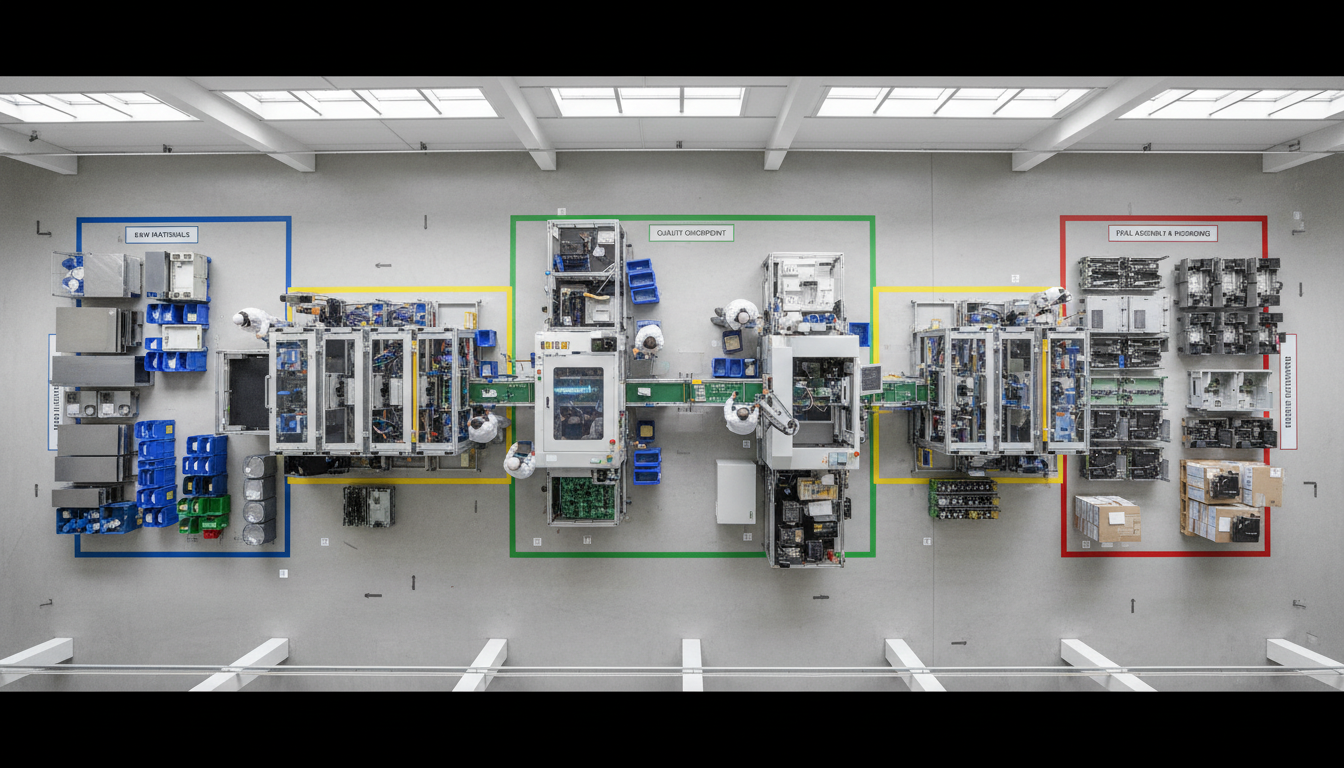
Traditional manufacturing techniques like injection molding or CNC machining are still more suitable for mass production due to their efficiency and ability to work with a wide range of materials. Additionally, the surface finish and detail achievable with traditional methods often surpass what is currently possible with 3D printing.
Applications in Various Industries
3D printing has found its niche in certain industries where customization and small batch production are key. For example, in the medical field, it is used to create personalized prosthetics and dental implants. In aerospace, lightweight and complex components are produced using 3D printing technologies.
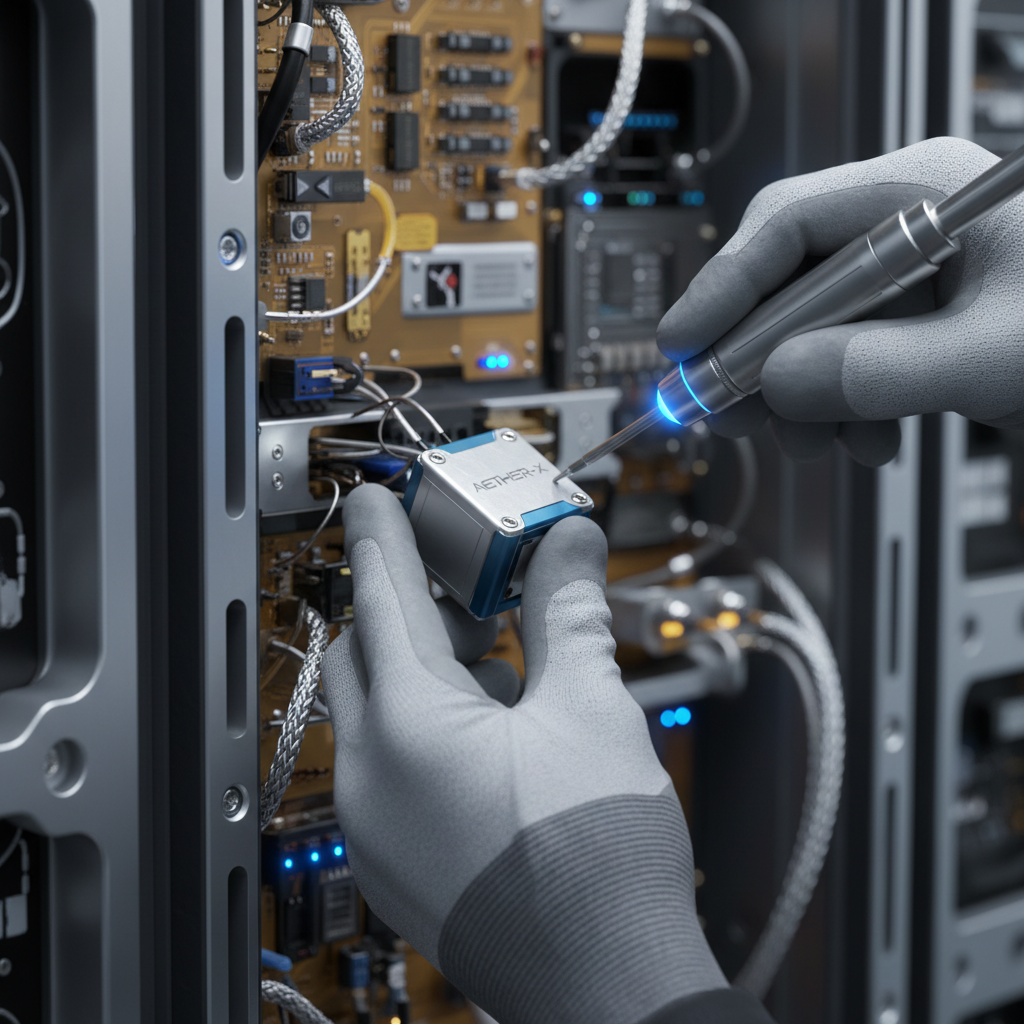
However, not all industries can benefit equally. For sectors requiring high-volume production, traditional methods remain more feasible. It's important to assess the specific needs and constraints of each industry when considering 3D printing as an alternative.
Future Outlook
As technology advances, the capabilities of 3D printing are expected to improve. New materials and faster printing techniques are being developed, which could enhance its viability as a manufacturing alternative. Moreover, the integration of artificial intelligence and machine learning in 3D printing processes is likely to streamline operations and expand possibilities.
Ultimately, the future of manufacturing may not be an either-or scenario. Instead, a hybrid approach that combines the strengths of both traditional and 3D printing methods could offer the most effective solutions.
Conclusion
While 3D printing is not a complete replacement for traditional manufacturing, it is a valuable tool in the modern production landscape. Its ability to create complex and customized items makes it a viable option for specific applications. By understanding its strengths and limitations, businesses can leverage 3D printing to complement traditional methods and drive innovation.