
Mastering Short-Run Production with 3D Printing: Benefits for Engineers
The Rise of 3D Printing in Short-Run Production
The advent of 3D printing has revolutionized the manufacturing industry, particularly in the realm of short-run production. This innovative technology offers engineers the flexibility to produce a limited number of units quickly and cost-effectively. In contrast to traditional manufacturing processes, 3D printing eliminates the need for expensive tooling and molds, making it an ideal choice for short-run projects.
Engineers can now create prototypes, custom parts, and small batch products much faster than ever before. This capability to efficiently manage short-run production is reshaping how businesses approach product development and market testing.
Enhancing Flexibility and Customization
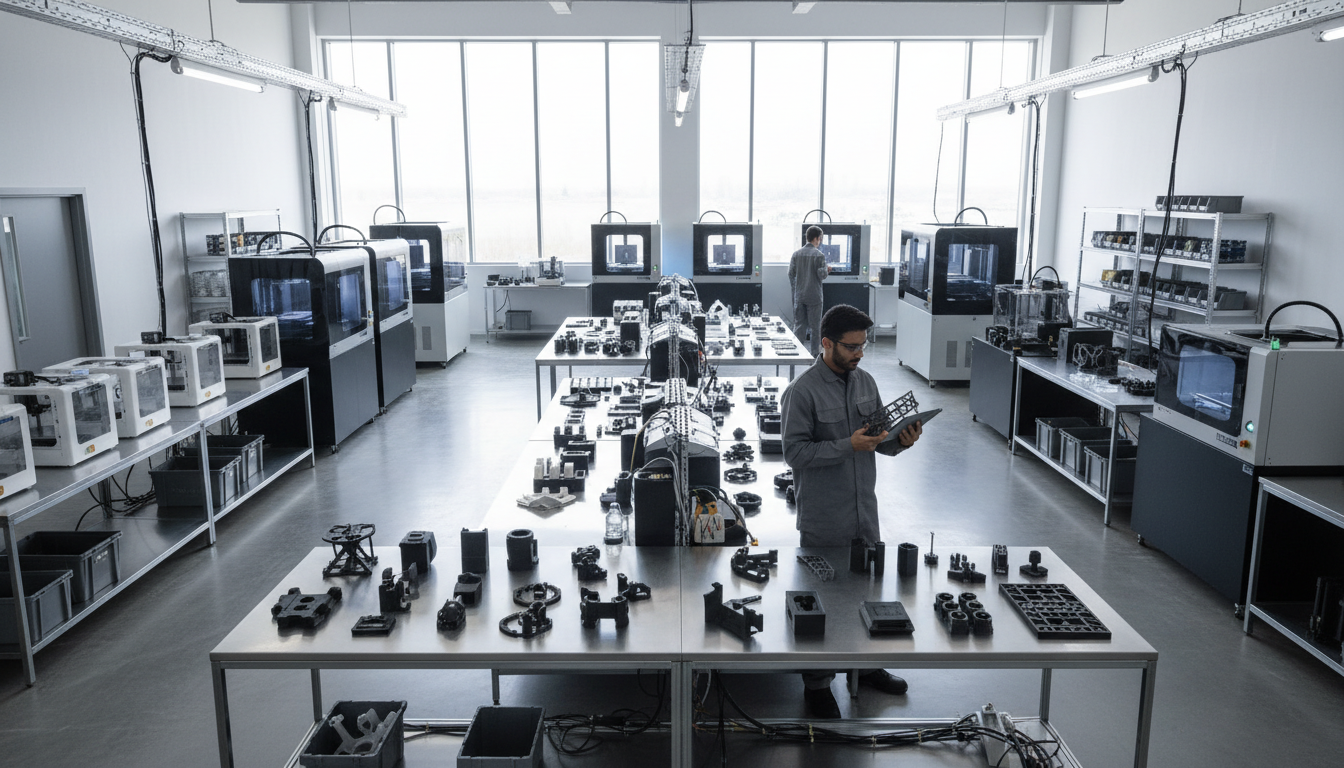
One of the most significant benefits of 3D printing in short-run production is its unparalleled flexibility. Engineers can easily modify designs and customize products to meet specific client needs without incurring substantial costs. This adaptability is particularly advantageous in industries where customization is key, such as healthcare and aerospace.
Moreover, 3D printing allows for the creation of complex geometries that would be difficult or impossible to achieve with traditional methods. This opens up new possibilities for innovation and design exploration, enabling engineers to push the boundaries of what is possible.
Reducing Lead Times and Costs
Traditional manufacturing often involves lengthy setup times and high initial costs, especially for short-run production. However, with 3D printing, engineers can significantly reduce lead times. The digital nature of 3D printing means that designs can be quickly adjusted and sent to print, eliminating the delays associated with retooling and setup.
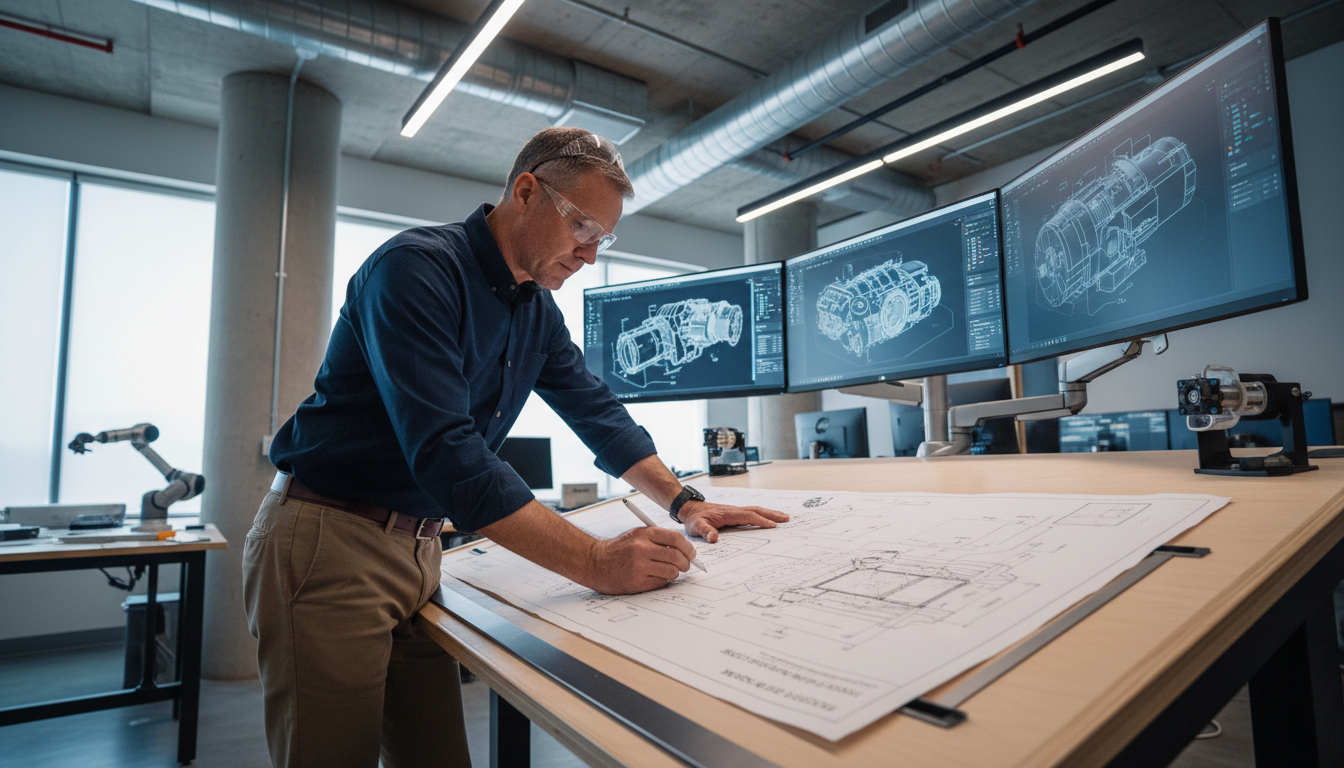
Additionally, because 3D printing requires fewer resources and less labor, it can substantially lower production costs. This cost-effectiveness makes it an attractive option for startups and small businesses looking to produce limited quantities without breaking the bank.
Improving Supply Chain Efficiency
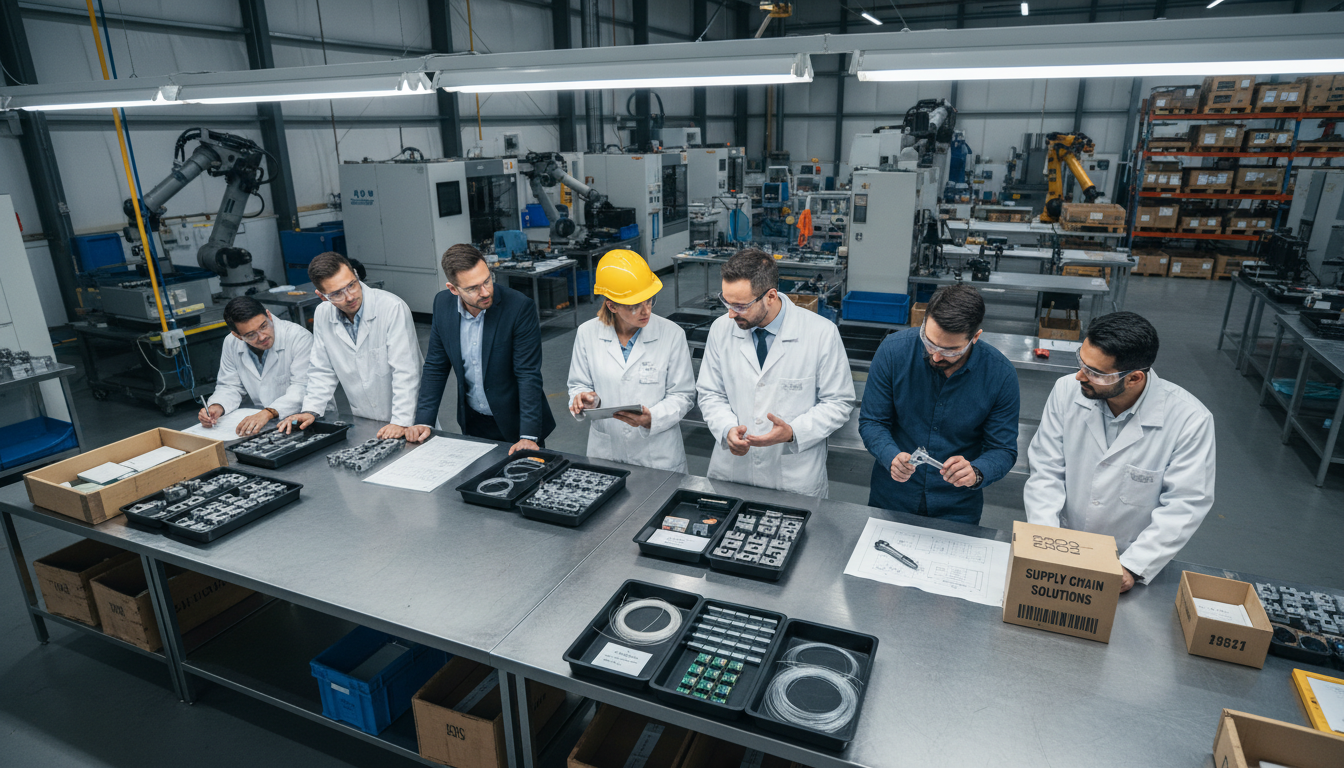
Incorporating 3D printing into short-run production can also enhance supply chain efficiency. By producing items on-demand, companies can reduce inventory levels and minimize waste. This just-in-time manufacturing approach helps businesses respond more swiftly to market demands and reduces the risk of overproduction.
This efficiency is particularly beneficial in industries with rapidly changing trends, where being able to adapt quickly is a competitive advantage.
Encouraging Sustainable Practices
As sustainability becomes a growing concern, 3D printing offers a more environmentally friendly production method. It uses less material compared to traditional subtractive manufacturing techniques, resulting in less waste. Additionally, the ability to produce items locally reduces the carbon footprint associated with transportation and logistics.
Engineers can also experiment with eco-friendly materials and processes that further enhance the sustainability of their products, aligning with global efforts to reduce environmental impact.
Conclusion: Embracing the Future
The integration of 3D printing into short-run production is transforming engineering practices. Its benefits—ranging from cost reduction and increased flexibility to improved sustainability—are driving more companies to embrace this technology. For engineers, mastering 3D printing is not just about keeping up with industry trends; it's about leading the way in innovation and efficiency.
As the capabilities of 3D printing continue to evolve, its role in short-run production is set to expand, offering even more opportunities for engineers to innovate and excel.