
Innovative Trends in 3D Printing for Engineers
Introduction to 3D Printing in Engineering
3D printing, also known as additive manufacturing, has rapidly evolved and is revolutionizing the engineering sector. From creating prototypes to producing end-use parts, engineers are finding new ways to leverage this technology to enhance design and production processes. This blog post explores some of the most significant innovative trends in 3D printing that are shaping the future of engineering.
Advanced Materials
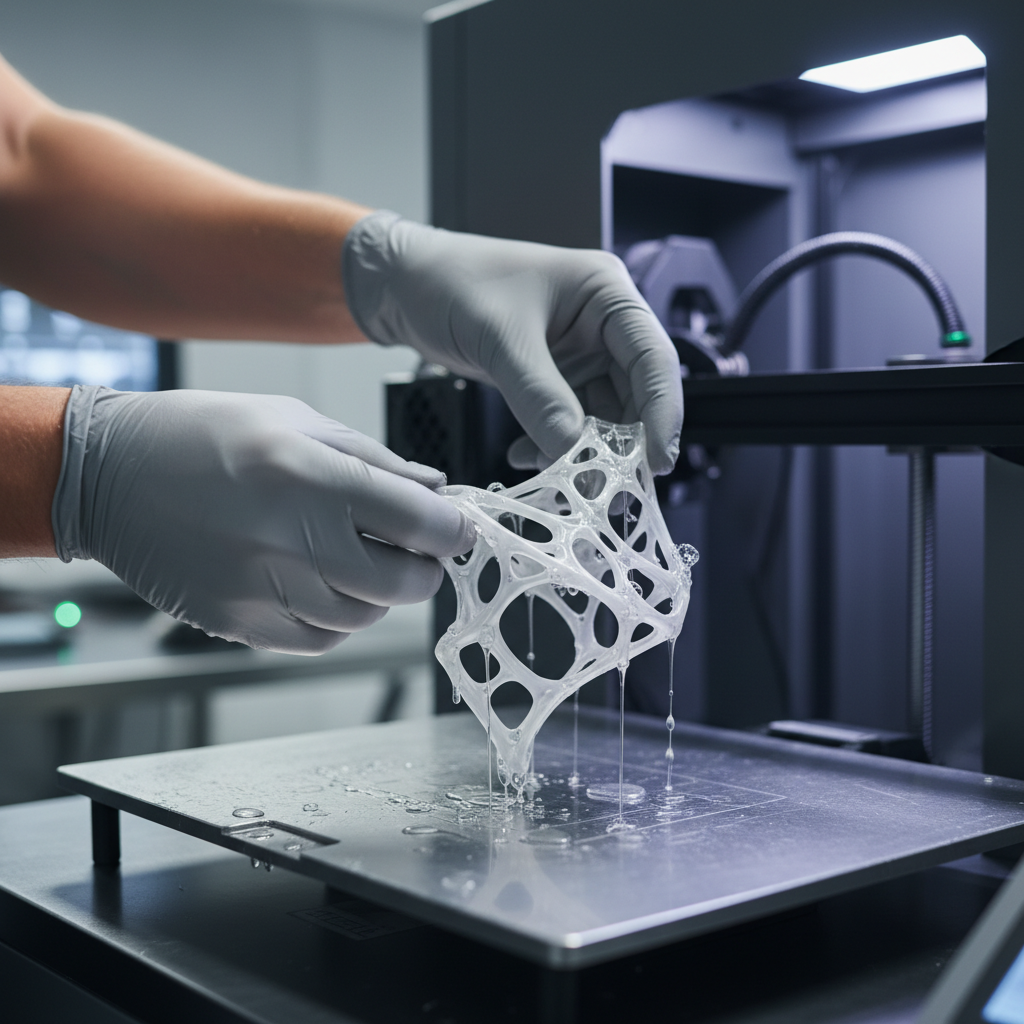
One of the key trends in 3D printing is the development of advanced materials. Engineers now have access to a broader range of materials, including metals, ceramics, and composites, which offer greater strength, flexibility, and heat resistance. These materials are enabling the creation of components that were previously impossible to produce with traditional manufacturing methods.
For instance, aerospace engineers are utilizing titanium and Inconel alloys for parts that demand high performance under extreme conditions. The continuous innovation in material science is opening new possibilities for engineers across various industries.
Multi-Material and Multi-Color Printing
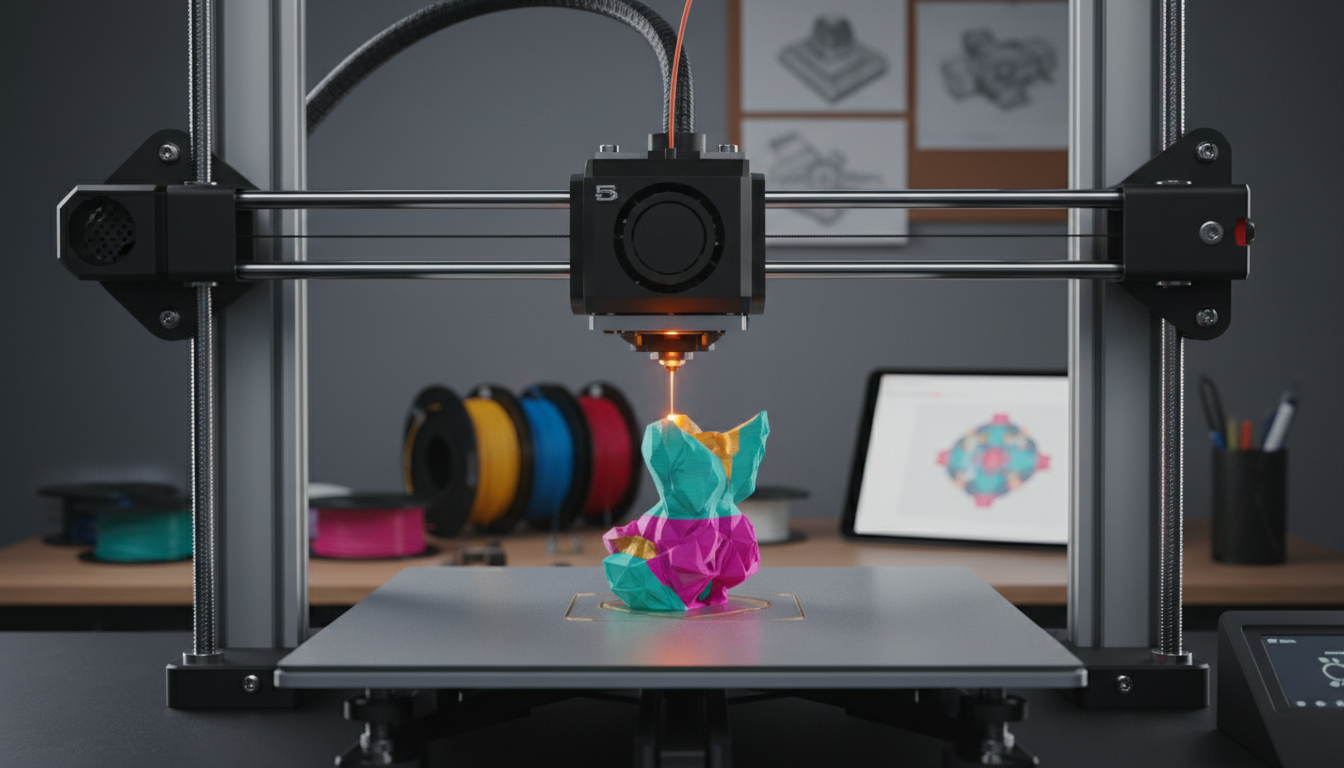
The ability to print with multiple materials and colors in a single run is another groundbreaking advancement. This capability allows engineers to create complex structures with varying properties, such as a rigid outer shell with a flexible core. Multi-material printing is particularly beneficial in the automotive and robotics sectors, where components often require diverse material characteristics.
Integration of AI and Machine Learning
Artificial Intelligence (AI) and machine learning are playing a crucial role in optimizing 3D printing processes. These technologies help in predicting potential print failures, optimizing design for manufacturing, and reducing material waste. Engineers are leveraging AI to enhance precision and efficiency, ultimately leading to more cost-effective production methods.
Machine learning algorithms can analyze vast amounts of data to improve print quality and speed. This integration is essential for industries that require high accuracy and repeatability, such as medical and aerospace engineering.
Large-Scale 3D Printing
While 3D printing was initially limited to small-scale objects, advancements in technology have enabled the production of much larger structures. Large-scale 3D printers are now being used to construct everything from architectural models to full-sized vehicle prototypes. This trend is particularly transformative in the construction industry, where entire buildings are being printed on-site.
Sustainability and Eco-Friendly Practices
Sustainability is a growing concern in engineering, and 3D printing is contributing to more eco-friendly practices. By using biodegradable materials and minimizing waste, additive manufacturing is reducing the environmental impact of production. Engineers are also exploring the use of recycled materials in 3D printing, further promoting a circular economy.
Additionally, the localized production capabilities of 3D printing reduce transportation needs, thereby lowering carbon emissions. These practices are making a significant impact in industries striving for sustainability.
Conclusion
The innovative trends in 3D printing are transforming the engineering landscape, offering new opportunities for design, production, and sustainability. As technology continues to advance, engineers will have even more tools at their disposal to push the boundaries of what's possible. Staying informed about these trends is crucial for professionals looking to remain competitive in this rapidly evolving field.