How Short-Run Production with 3D Printing Can Accelerate Your Project Timeline
Embracing Short-Run Production with 3D Printing
The landscape of manufacturing is evolving, and 3D printing is at the forefront of this transformation. Short-run production, made possible by 3D printing, is emerging as a game-changer for businesses looking to accelerate project timelines. By enabling rapid prototyping and minimizing lead times, 3D printing helps businesses keep up with market demands efficiently.
Understanding Short-Run Production
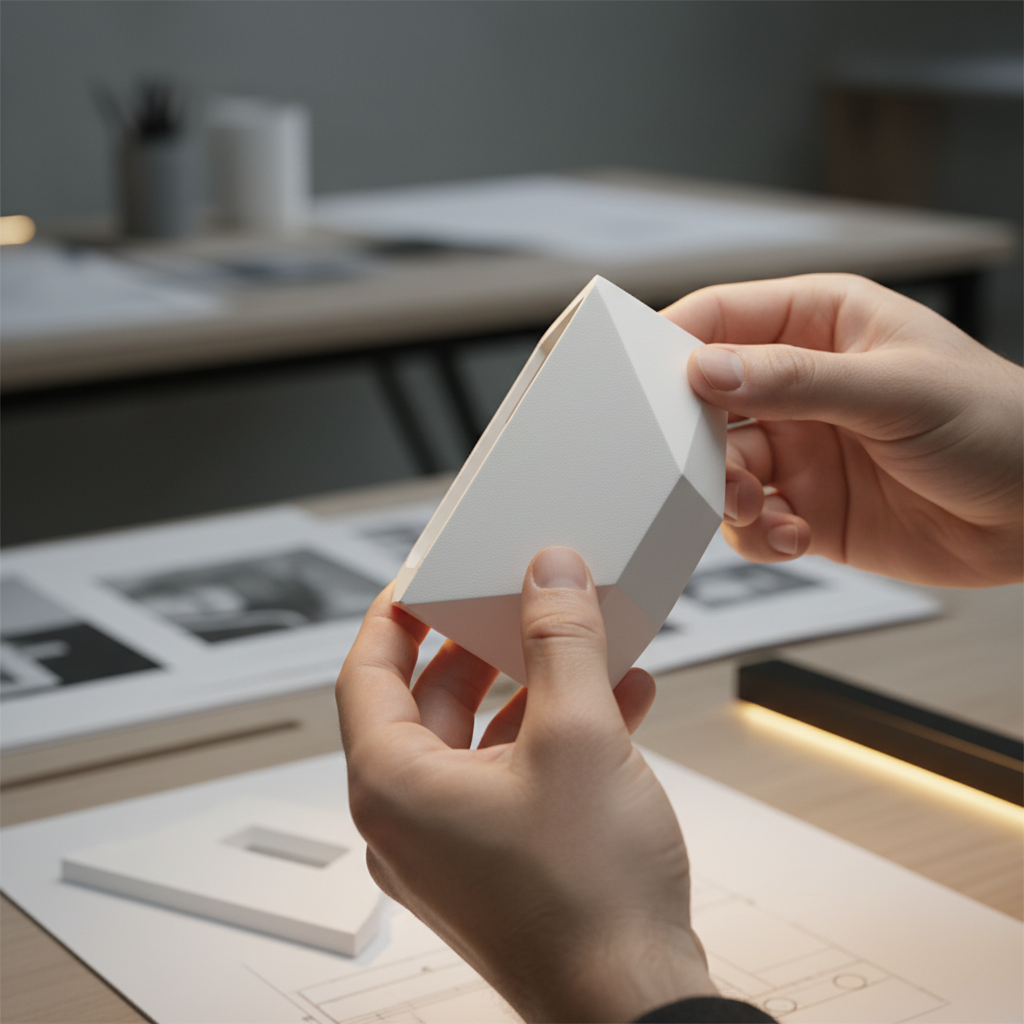
Short-run production refers to the manufacturing of a small quantity of products, typically ranging from a few units to a few thousand. This approach contrasts with traditional mass production, offering greater flexibility and reduced risk. 3D printing supports this by allowing for quick adjustments and customization without the need for extensive retooling.
For startups and small businesses, short-run production can be particularly beneficial. It allows them to test the market with minimal investment, refining products based on real-time feedback. This agility is crucial in today's fast-paced business environment.
Accelerating Your Project Timeline
One of the standout advantages of 3D printing in short-run production is its ability to significantly shorten project timelines. Traditional manufacturing methods often involve lengthy setup times and complex processes. In contrast, 3D printing streamlines production, allowing for rapid iteration and faster delivery.
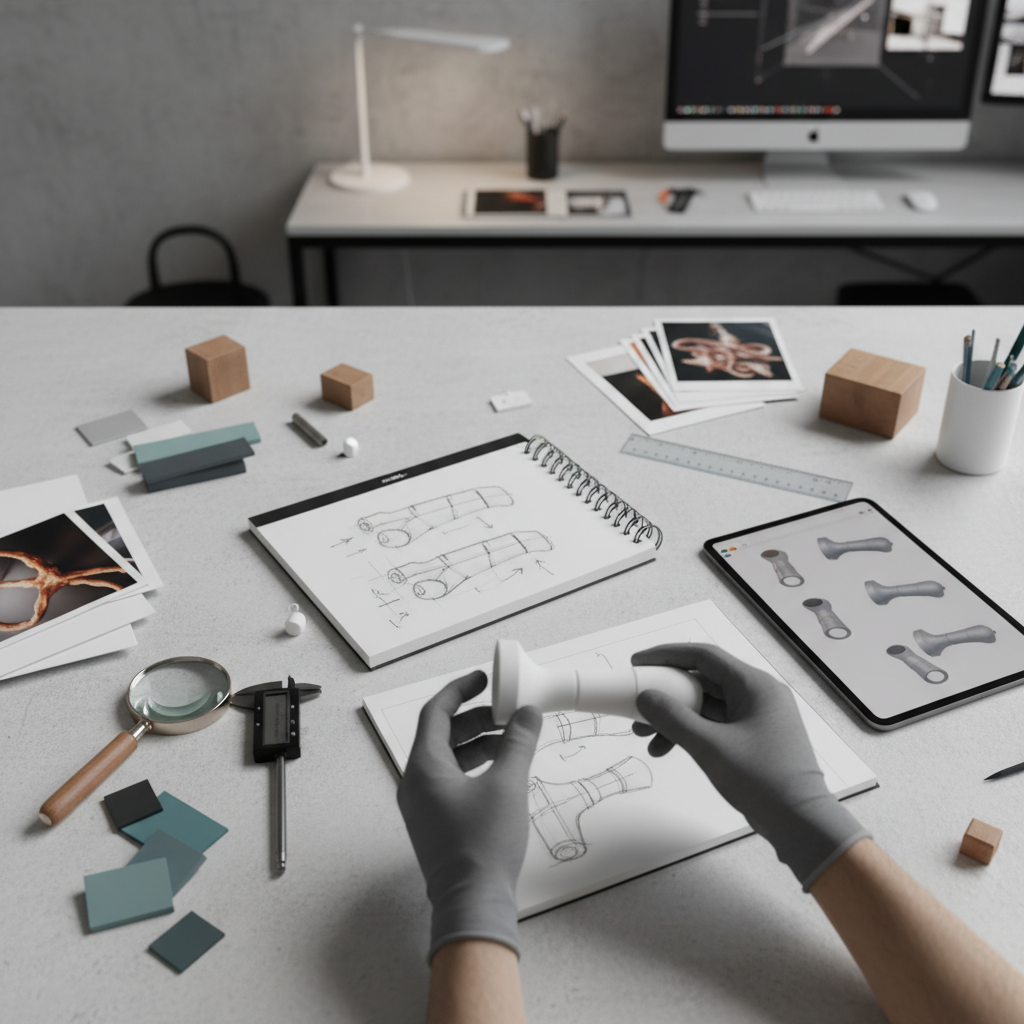
Moreover, 3D printing reduces the need for multiple suppliers and complex logistics. With the ability to produce parts on demand, projects can move from conception to completion much more swiftly. This efficiency is particularly valuable in industries where time-to-market is critical.
Cost-Effectiveness and Resource Optimization
3D printing offers cost advantages by eliminating the need for expensive molds and tooling. This reduction in upfront costs makes it easier for companies to experiment with new designs and concepts without breaking the bank. Additionally, 3D printing optimizes material usage, minimizing waste and further reducing costs.
- Lower initial investment
- Reduced material waste
- Flexibility for design changes
Customization and Innovation
With 3D printing, customization becomes straightforward and affordable. Products can be tailored to specific customer needs, enhancing user satisfaction and loyalty. This capability also opens doors to innovation, as designers are free to explore complex geometries and intricate designs that were previously impractical.

Industries such as healthcare, automotive, and consumer goods are already leveraging this potential, creating bespoke products that stand out in competitive markets. This level of customization was unimaginable with traditional manufacturing methods.
Conclusion
As industries continue to evolve, the ability to adapt quickly is more important than ever. Short-run production with 3D printing provides a pathway to not only accelerate project timelines but also foster innovation and cost-efficiency. By embracing these technologies, businesses can stay ahead of the curve, delivering high-quality products at an unprecedented speed.
For those looking to remain competitive, understanding and implementing 3D printing in short-run production will be crucial. The future of manufacturing is here, and it's time to take advantage of the opportunities it presents.