
From Prototype to Product: A Case Study on SLS PA12 Applications
Introduction to SLS PA12
In the world of additive manufacturing, Selective Laser Sintering (SLS) with PA12 has gained significant traction. Known for its versatility and durability, PA12 is a popular choice for transforming prototypes into fully functional products. This case study explores the journey from prototype to product using SLS PA12 applications.
The Versatility of SLS PA12
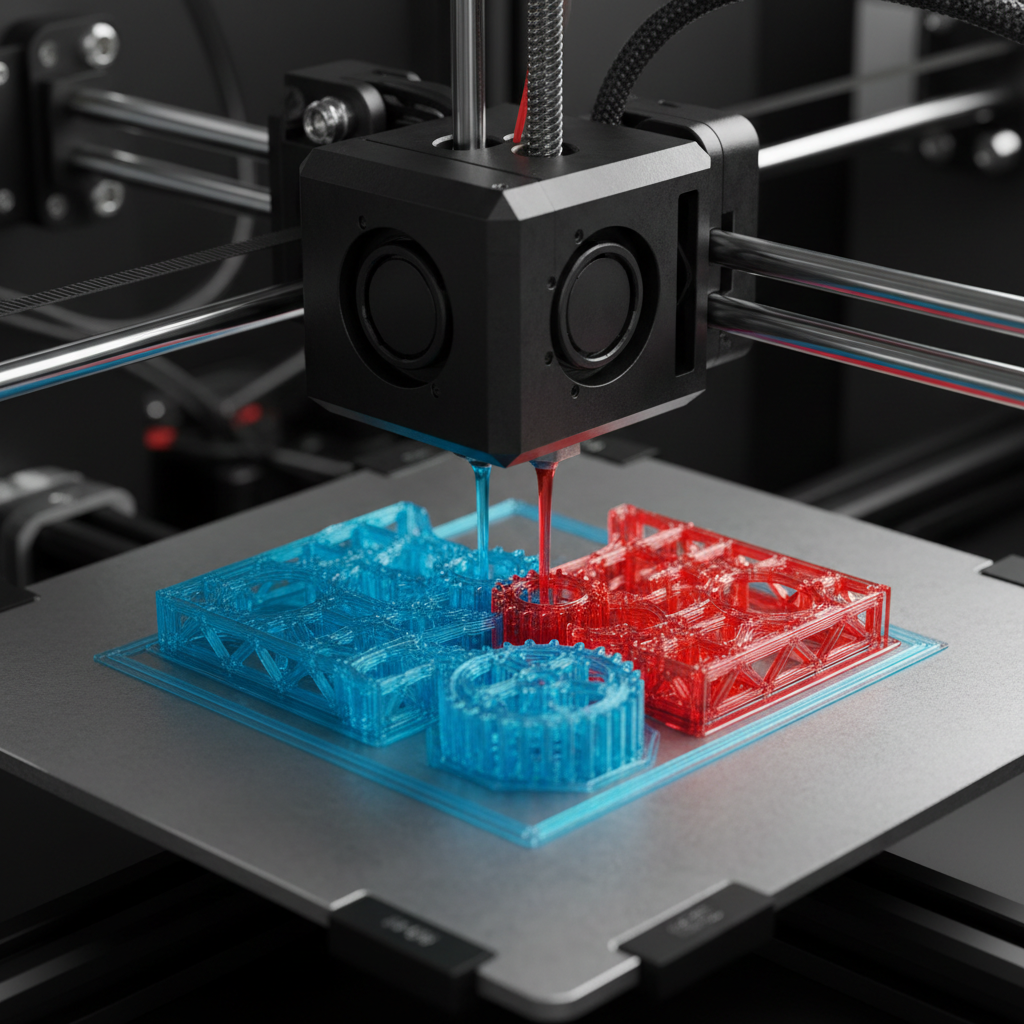
SLS PA12, or polyamide 12, is a nylon-based material renowned for its exceptional mechanical properties. Its strength, flexibility, and resistance to impact make it ideal for a range of applications. Companies across industries leverage its capabilities to create complex geometries and functional prototypes that withstand rigorous testing.
One of the key advantages of SLS PA12 is its ability to produce parts without the need for support structures. This feature not only reduces material waste but also enables intricate designs that would be challenging to achieve with traditional manufacturing methods.
From Concept to Prototype
The initial phase in product development involves conceptualizing and designing a prototype. With SLS PA12, designers can rapidly create prototypes that provide a tangible representation of their vision. The quick turnaround time allows for iterative testing and refinement, ensuring that the final product meets all specifications.

During this phase, engineers focus on optimizing the design for function and manufacturability. PA12’s properties allow for the creation of lightweight, durable prototypes that closely mimic the characteristics of the intended final product.
Testing and Refinement
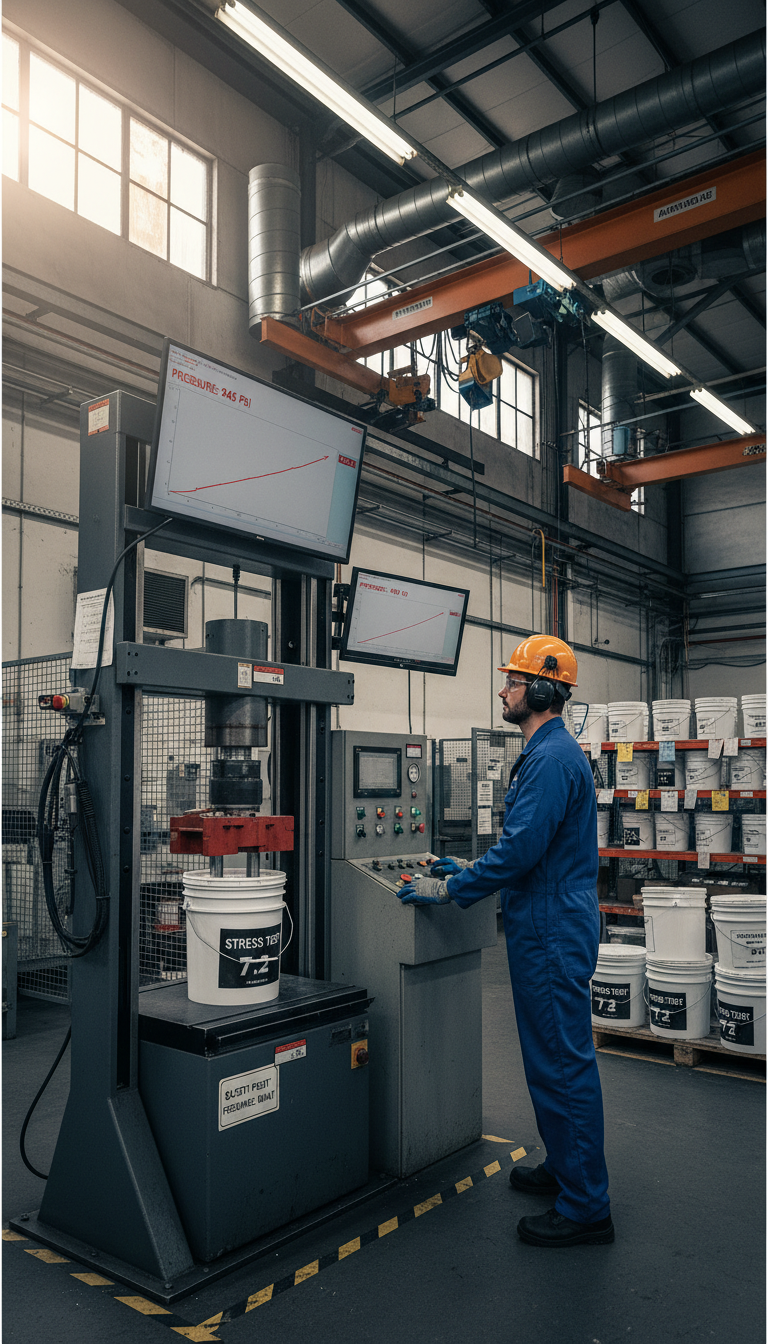
Once the prototype is developed, it undergoes a series of tests to evaluate its performance. This stage is crucial for identifying any potential flaws and making necessary adjustments. SLS PA12's durability ensures that prototypes can withstand extensive testing without compromising their structural integrity.
Feedback from testing informs further refinements and design iterations. This iterative process is streamlined with SLS technology, enabling quick modifications and reprints.
Transitioning to Final Product
After successful testing and refinement, the project transitions from prototype to final product. SLS PA12 stands out in this phase due to its scalability and efficiency. The same technology used for prototyping can be employed for small-batch production, reducing time and cost associated with tooling.
Moreover, SLS PA12 parts exhibit excellent surface finish and dimensional accuracy, ensuring that the end product meets the highest quality standards. This seamless transition highlights the efficiency of using SLS PA12 in product development.
Applications Across Industries
The applications of SLS PA12 span various industries, from automotive to consumer goods. In the automotive sector, it is used to produce lightweight components that contribute to fuel efficiency. In consumer goods, SLS PA12 enables the creation of custom-fit products tailored to individual needs.
Healthcare also benefits from the precision of SLS PA12, with applications in prosthetics and medical devices that require both durability and biocompatibility. The versatility of PA12 makes it a valuable asset in innovative product development.
Conclusion
The journey from prototype to product with SLS PA12 showcases the transformative potential of additive manufacturing. By offering rapid prototyping, efficient testing, and seamless production, SLS PA12 enables companies to innovate and bring high-quality products to market swiftly. As industries continue to embrace this technology, the possibilities for innovation are boundless.