
Expert Tips for Designing Strong Parts with ABS and PETG in FDM Printing
Understanding ABS and PETG for FDM Printing
When it comes to FDM printing, choosing the right materials is crucial for achieving the desired strength and durability in your parts. Two popular materials in this realm are ABS (Acrylonitrile Butadiene Styrene) and PETG (Polyethylene Terephthalate Glycol). Each offers unique properties that can be harnessed effectively for strong, reliable parts.
ABS is well-known for its toughness and impact resistance, making it a preferred choice for functional prototypes and end-use parts. On the other hand, PETG is valued for its excellent layer adhesion and clarity, offering a balance between strength and flexibility. Understanding these properties helps in making informed decisions during the design process.
Design Considerations for ABS
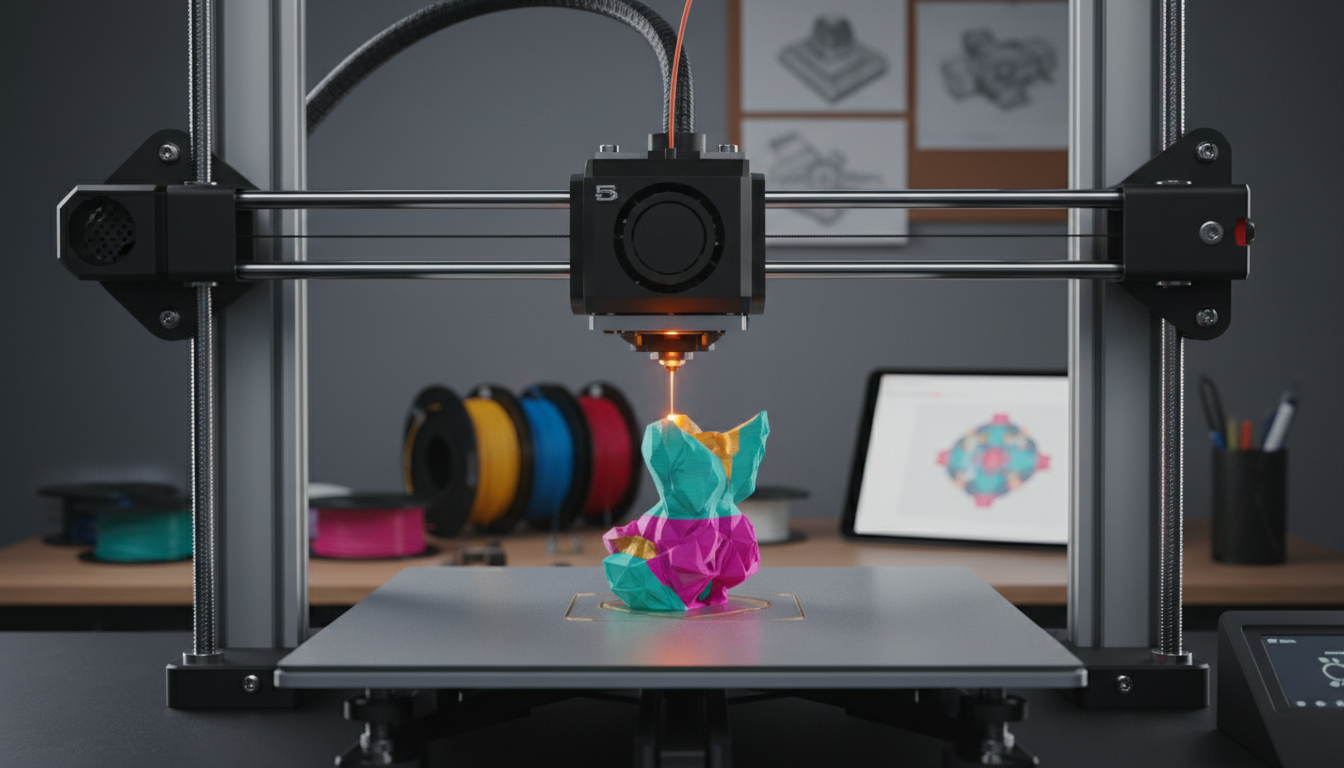
ABS can be a bit challenging to work with due to its tendency to warp. To minimize this, ensure the print bed is properly heated and consider using an enclosure to maintain a stable temperature. Additionally, incorporating chamfers and fillets in your design can help reduce stress concentrations and improve the overall strength of the part.
Another tip is to optimize infill settings. A higher infill percentage may be necessary for parts that require additional strength. However, balancing infill with print time and material usage is essential. Using a honeycomb or triangular infill pattern can provide a good compromise between strength and material efficiency.
Effective PETG Printing Strategies
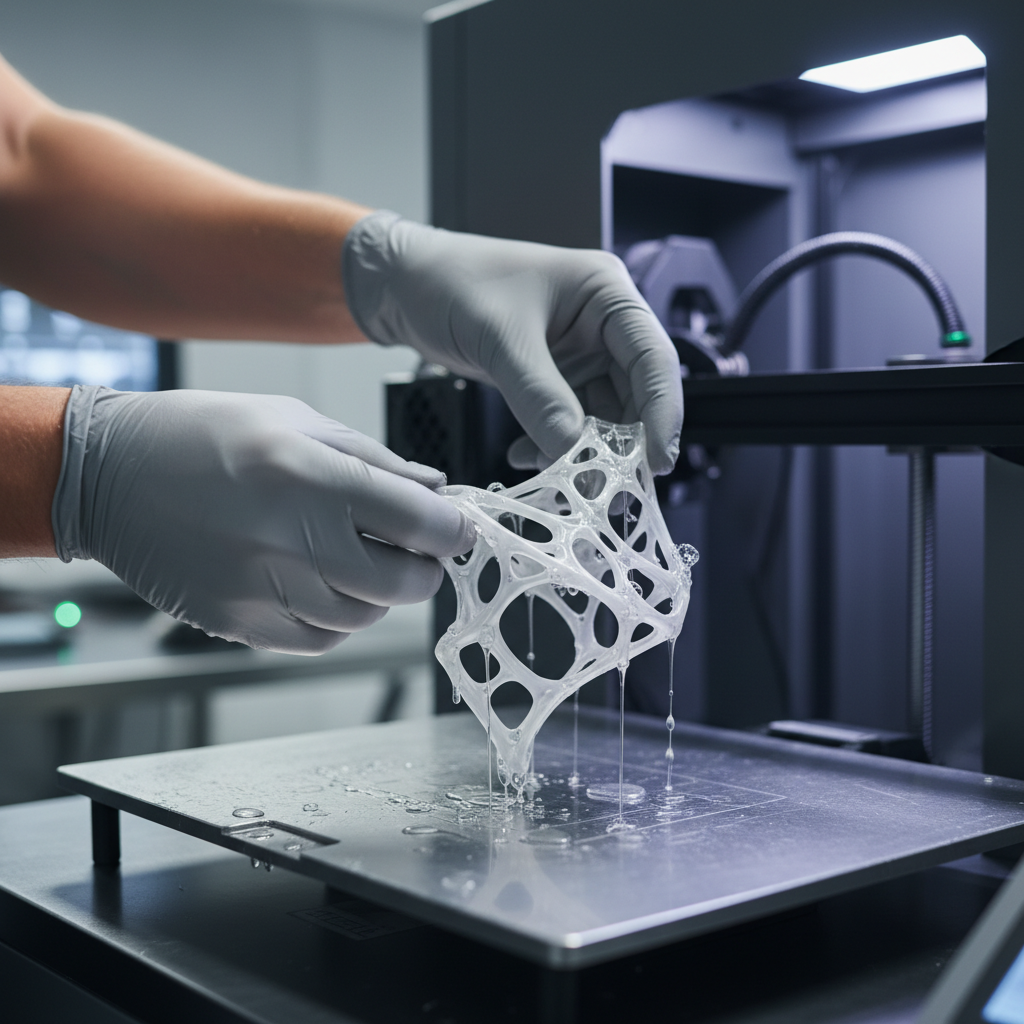
PETG is less prone to warping compared to ABS, but it does have its own set of considerations. It’s essential to ensure proper bed adhesion by using either a glue stick or a specialized adhesion sheet. PETG also benefits from a slightly slower print speed to prevent stringing and improve surface finish.
When designing for PETG, consider the material's flexibility. This flexibility can be advantageous for parts that need to withstand mechanical stress without breaking. However, it’s crucial to ensure that the design accounts for this flexibility, especially in areas where rigidity is needed.
General Tips for Designing Strong Parts
Regardless of the material, some general design principles can enhance the strength of your 3D printed parts. First, align the part orientation with the expected load direction. This ensures that the layers are aligned in a way that maximizes tensile strength.
Second, use thicker walls where additional strength is required. Increasing the number of perimeters can significantly impact the durability of the part. Lastly, consider post-processing techniques such as annealing or chemical smoothing to enhance the mechanical properties and surface finish.
Choosing the Right Material for Your Project
Ultimately, the choice between ABS and PETG should be guided by the specific requirements of your project. ABS is ideal for applications requiring high impact resistance, while PETG is better suited for parts that need chemical resistance or flexibility. Evaluating the environmental conditions and mechanical demands will help in selecting the appropriate material.
Conclusion
Designing strong parts with ABS and PETG in FDM printing involves understanding the unique characteristics of each material and implementing strategic design practices. By considering factors such as orientation, infill, and post-processing, you can maximize the performance and durability of your 3D printed parts. With these expert tips, you are well-equipped to tackle your next project with confidence.