
Comparing FDM and SLS for Low-Volume Production: Which is Right for Your Project?
Understanding FDM and SLS Technologies
In the world of additive manufacturing, two technologies often stand out for low-volume production: Fused Deposition Modeling (FDM) and Selective Laser Sintering (SLS). Both have unique strengths and applications that can significantly impact the success of your project. Understanding the differences between these two methods is crucial for making an informed decision.
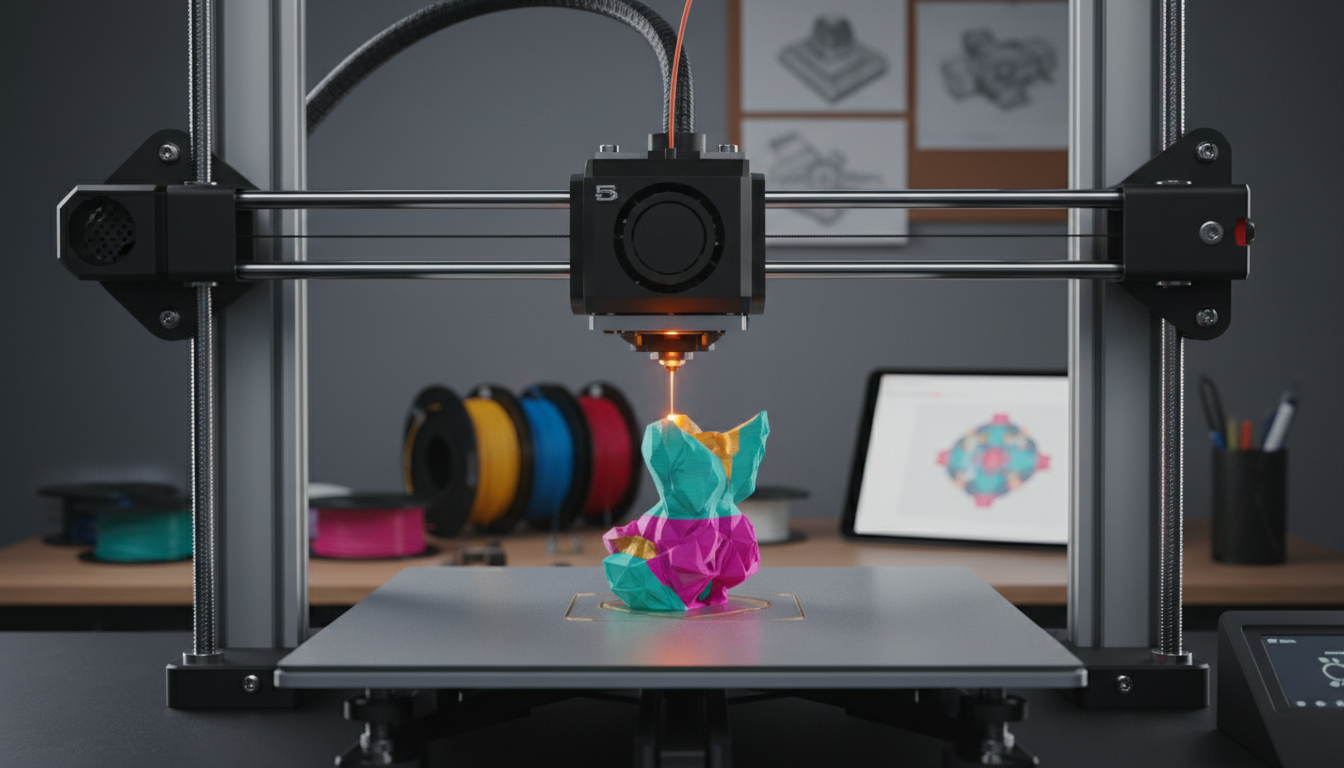
FDM, also known as Fused Filament Fabrication (FFF), is a popular choice due to its accessibility and cost-effectiveness. It involves extruding thermoplastic filaments through a heated nozzle, layer by layer, to build a part. SLS, on the other hand, uses a laser to sinter powdered material, typically nylon, to create a solid structure.
Cost and Material Considerations
One of the first aspects to consider when choosing between FDM and SLS is cost. FDM is generally more budget-friendly, making it ideal for prototypes and simple designs. The range of materials available for FDM, including PLA, ABS, and PETG, offers flexibility for different applications.
SLS tends to be more expensive due to its use of high-end machinery and materials. However, it provides superior material properties, such as strength and durability, which are essential for functional prototypes and end-use parts. Moreover, SLS enables the creation of complex geometries without the need for support structures.
Design Complexity and Precision
When it comes to design complexity, SLS holds a significant advantage. The absence of support structures means you can create intricate designs, internal lattices, and complex assemblies that would be challenging with FDM. This capability allows for greater freedom in engineering and design.

FDM, while versatile, may require additional post-processing to remove supports and achieve the desired precision. The layer lines in FDM prints are more visible, which can affect the surface finish unless further refined. However, for straightforward designs, FDM remains a practical choice.
Speed and Efficiency
Speed is another important factor in deciding between FDM and SLS. FDM printers are typically faster for single parts and small batches, given their simplicity and ease of setup. This makes FDM suitable for rapid prototyping when timelines are tight.
SLS, while slower in individual part production, shines in batch processing. It can produce multiple parts simultaneously, optimizing efficiency for larger orders. This feature can be a game-changer for projects that require a consistent output of complex parts.
Applications and Industry Use
The choice between FDM and SLS often depends on the specific industry and application. FDM is widely used in industries such as consumer goods, education, and hobbyist projects due to its low cost and ease of use. It excels in creating prototypes, jigs, fixtures, and even small end-use parts.
SLS is favored in aerospace, automotive, and medical sectors, where performance and precision are critical. Its ability to produce high-quality, durable parts makes it suitable for functional testing, complex assemblies, and custom production runs.
Making the Right Choice
Ultimately, the decision between FDM and SLS should align with your project requirements, budget, and production goals. Consider the complexity, material properties, and end-use of your parts. Both technologies offer unique advantages that can complement different stages of product development.
By carefully evaluating these factors, you can choose the right 3D printing technology that not only meets your project needs but also enhances your production capabilities.