
A Step-by-Step Guide to SLS 3D Printing for Engineers
Introduction to SLS 3D Printing
Selective Laser Sintering (SLS) is a powerful 3D printing technology that has revolutionized the way engineers approach design and manufacturing. By using a laser to fuse powdered material, SLS allows the creation of complex and durable parts without the need for traditional tooling.
Understanding the Basics
Materials and Equipment
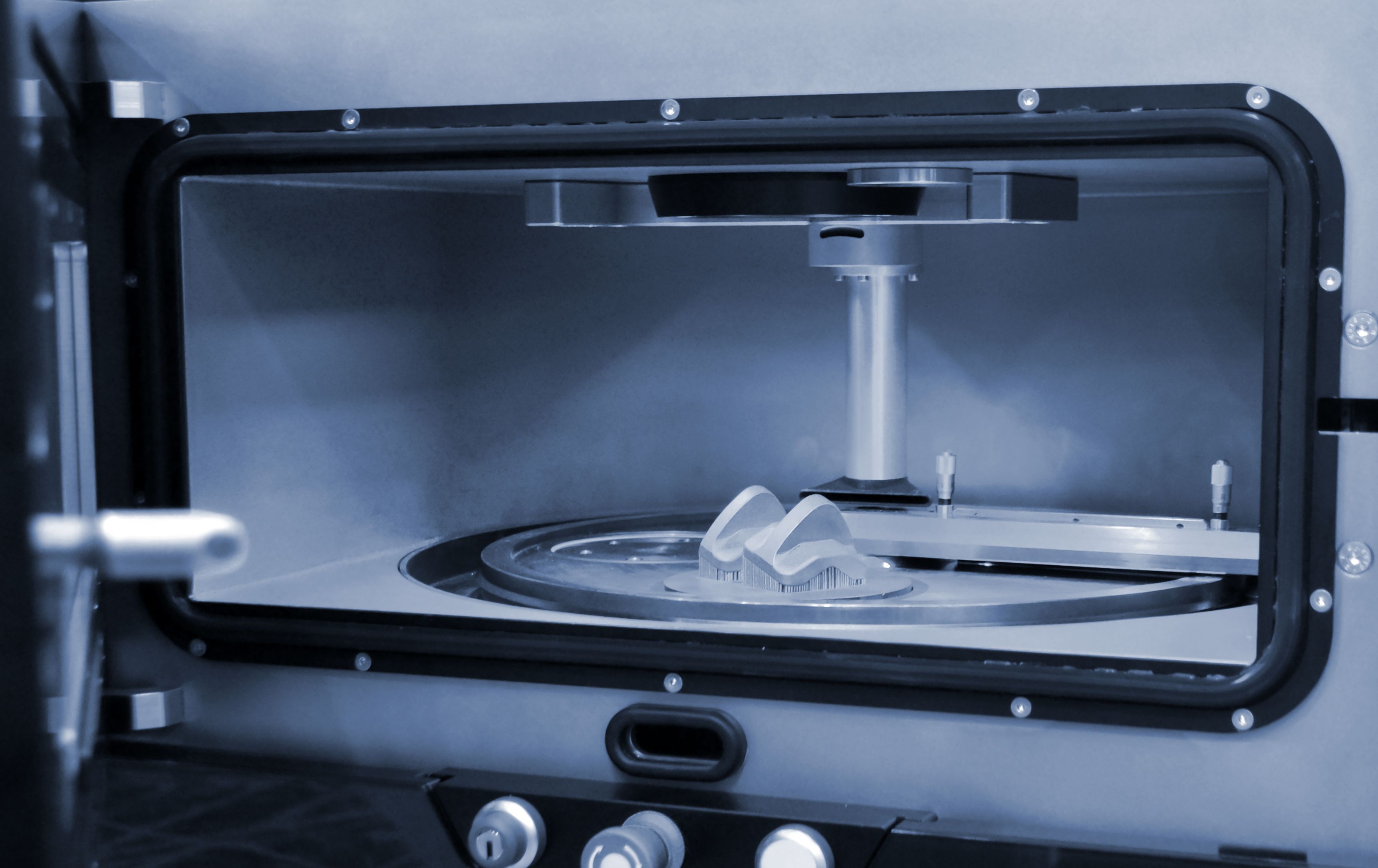
SLS utilizes a wide range of materials, primarily thermoplastic polymers such as nylon. These materials are available in powdered form and are critical for achieving the desired mechanical properties in the final product. The SLS machine itself consists of a build chamber, a laser, and a powder delivery system.
The SLS Process
The SLS process begins with the spreading of a thin layer of powder on the build platform. A high-powered laser then selectively fuses the powder according to the digital design. This process repeats layer by layer until the entire part is built.

Step-by-Step Guide
Step 1: Preparing the Design
The first step in SLS 3D printing is creating a digital model using CAD software. It's crucial to optimize the design for the SLS process, considering factors like wall thickness and support structures.
Step 2: Setting Up the Printer
After preparing the design, the next step is to set up the SLS printer. This involves loading the material, calibrating the laser, and configuring the build parameters. Proper setup ensures that the final product meets the desired specifications.
Step 3: Printing the Part
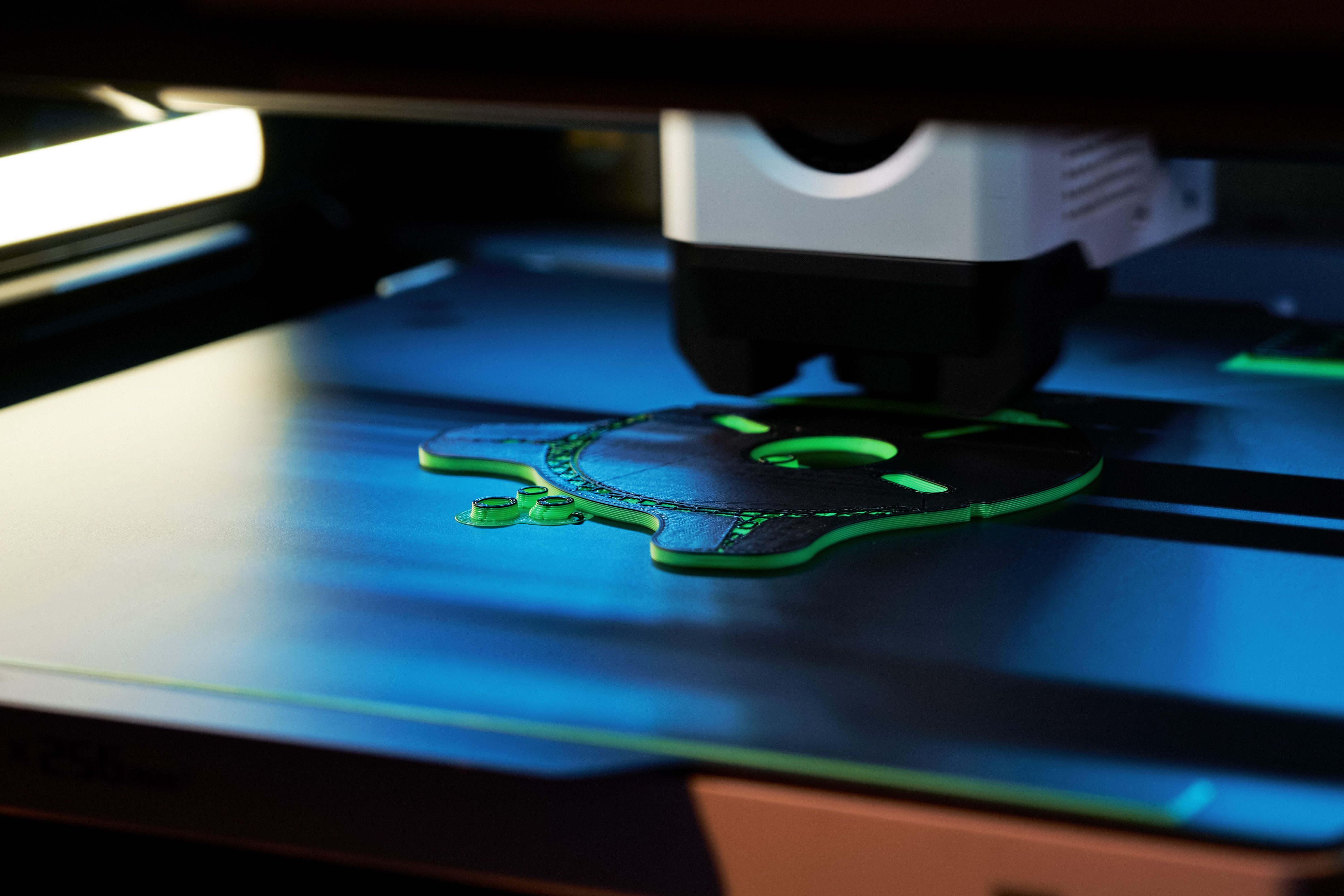
Once the printer is set up, the actual printing process can begin. The machine will build the part layer by layer, which can take several hours depending on the size and complexity of the design. It's important to monitor the process to ensure everything runs smoothly.
Post-Processing and Quality Control
After printing, the part must be cooled and removed from the build chamber. Excess powder is brushed away, and additional post-processing steps like sanding or dyeing may be applied to achieve the desired finish.
Quality Assurance
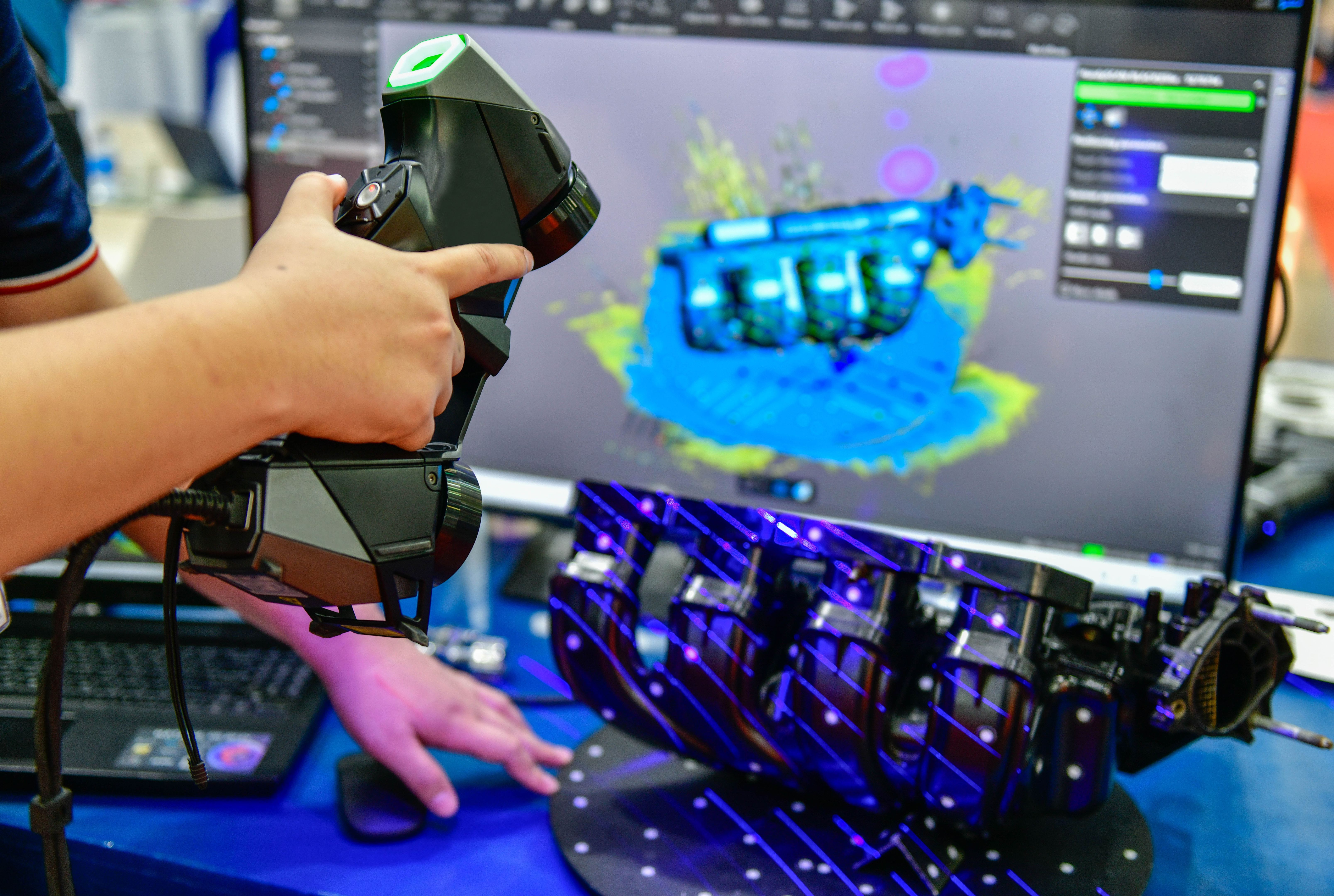
Quality control is essential to verify the part meets all specifications. This may include dimensional inspection, material testing, and functional validation to ensure the part performs as expected in its intended application.
Conclusion
SLS 3D printing offers engineers a versatile and efficient method for producing high-quality parts. By following this step-by-step guide, engineers can leverage the full potential of SLS technology to innovate and improve their design processes.